
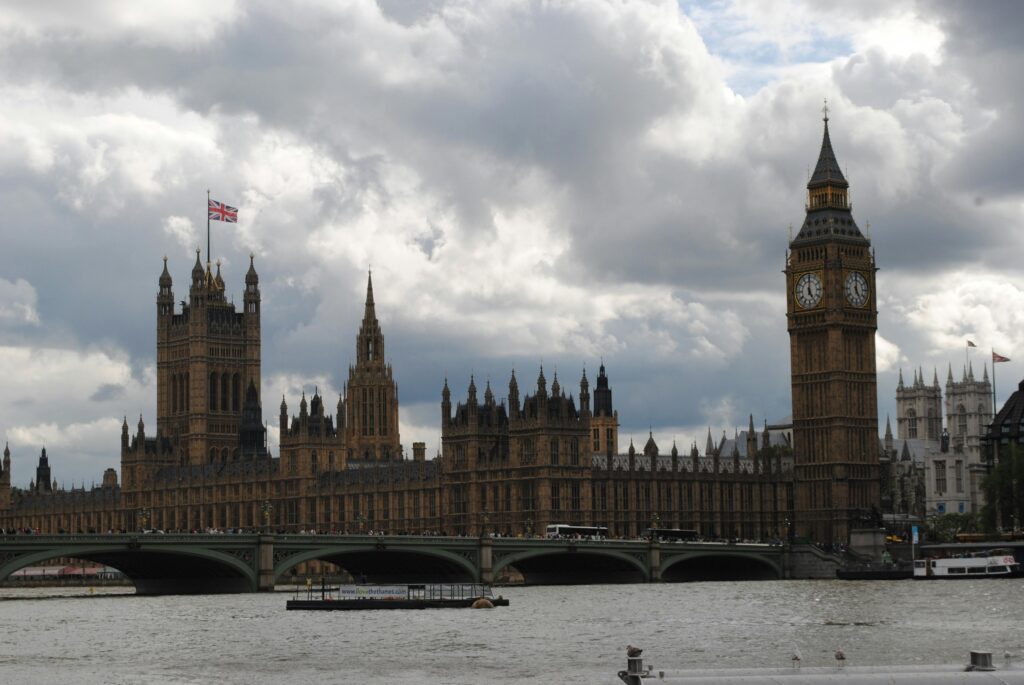
United Kingdom
We want you to have a greater ability to learn about some of the historical animal events in our world.
ANNO TERIO GEORGII IV. REGIS. CAP LXXI
An Act to Prevent the Cruel and Improper Treatment of Cattle.
22d July, 1822
Whereas it is expedient to prevent the cruel and improper Treatment of Horses, Mares, Geldings, Mules, Asses, Cows, Heifers, Steers, Oxen, Sheep, and other Cattle : May it therefore please Your Majesty, by and with the Advice and Consent of the Lords Spiritual and Temporal, and Commons, in this present Parliament assembled, and by the Authority of the same, That if any person or persons shall wantonly and cruelly beat, abuse, or ill-treat any Horse, Mare, Gelding, Mule, Ass, Ox, Cow, Heifer, Steer, Sheep, or other Cattle, and Complaint on Oath thereof be made to any Justice of the Peace or other Magistrate within whose Jurisdiction such Offence shall be committed, it shall be lawful for such Justice of the Peace or other Magistrate to issue his Summons or Warrant, at his Discretion, to bring the party or parties so complained of before him, or any other Justice of the Peace or other Magistrate of the County, City, or place within which such Justice of the Peace or other Magistrate has Jurisdiction, who shall examine upon Oath any Witness or Witnesses who shall appear or be produced to give Information touching such Offence, (which Oath the said Justice of the Peace or other Magistrate is hereby authorized and required to administer); and if the party or parties accused shall be convicted of any such Offence, either by his, her, or their own Confession, or upon such Information as aforesaid, he, she, or they so convicted shall forfeit and pay any Sum not exceeding Five Pounds, not less than Ten Shillings, to His Majesty, His Heirs and Successors; and if the person or persons so convicted shall refuse or not be able forthwith to pay the Sum forfeited, every such Offender shall, by Warrant under the Hand and Seal of some Justice or Justices of the Peace or other Magistrate within whose Jurisdiction the person offending shall be Convicted, be committed to the House of Correction or some other Prison within the Jurisdiction within which the Offence shall have been committed, there to be kept without Bail or Mainprize for any Time not exceeding Three Months.
II. Provided always, and be it enacted by the Authority aforesaid, That no Person shall suffer any Punishment for any Offence committed against this Act, unless the Prosecution for the same be commenced within Ten Days after the Offence shall be committed; and that when any Person shall suffer Imprisonment pursuant to this Act, for any Offence contrary thereto, in Default of Payment of any Penalty hereby imposed, such Person shall not be liable afterwards to any such Penalty.
III. Provided also, and be it further enacted, that not Order or Proceedings to be made or had by or before any Justice of the Peace or other Magistrate by virtue of this Act shall be quashed or vacated for want of Form, and that the Order of such Justice or other Magistrate shall be final; and that no proceedings of any such Justice or other Magistrate in pursuance of this Act shall be removeable by Certiorari or otherwise.
IV. And for the more easy and speedy Conviction of Offenders under this Act, be it further enacted, That all and every the Justice and Justices of the Peace or other Magistrate or Magistrates, before whom any Person or Persons shall be convicted of any offence against this Act, shall and may cause the Conviction to be drawn up in the following Form of Words to the same effect as the Case shall happen; (videlicet)
“Be it remembered, That on the day of in they year of our Lord, A. B. is convicted before me, One of His Majesty’s Justices of the Peace for or Mayor or other Magistrate of [as the case may be] either by his own Confession, or on the Oath of One or more credible witness or Witnesses [as the case may be] by virtue of an Act made in the Third Year of the Reign of his Majesty King George the Fourth, intituled An Act to prevent the cruel and improper Treatment of Cattle, [specifying the Offence, and Time and Place where the same was committed, as the Case may be.] Given under my Hand and Seal, the Day and Year above written.”
V. And be it further enacted, That if on hearing any such Complaint as is herein-before mentioned, the Justice of the Peace or other Magistrate who shall hear the same shall be of opinion that such Complaint was frivolous or vexatious then and in every such Case it shall be lawful for such Justice of the Peace or other Magistrate to order, adjudge, and direct the Person or Persons making such Complaint, to pay the Party complained of, any Sum of Money not exceeding the Sum of Twenty Shillings, as Compensation for the Trouble and Expense to which such Party may have been put to by such Complaint; such Order or Adjudgment to be final between the said Parties, and the Sum thereby ordered or adjudged to be paid and levied in manner as is herein before provided for enforcing Payment of the Sums of Money to be forfeited by the person convicted of the Offence herein-before mentioned.
VI. And be it further enacted by the Authority aforesaid, That if any Action or Suit shall be brought or commenced against any person or persons, for any thing done in pursuance of this Act, it shall be brought or commenced within Six Calender Months next after ever such Case of Action shall have accrued, and not afterwards, and shall be brought, laid, and tried in the County, City, or place in which such Offence shall have been committed, and not elsewhere; and the Defendant or Defendants in such Action or Suit may plead the General Issue, and give this Act and the special Matter in Evidence at any Trial or Trials to be had thereon, and that the same was done in pursuance and by authority of this Act; and if the same shall appear to have been so done, or if any such Action or Suit shall not be commenced within the Time before limited, or shall be laid or brought in any other Country, City, or place than where the Offence shall have been committed, than and in any such Case the Jury or Juries shall find for the Defendant or Defendants; of if the Plaintiff or Plaintiffs shall become nonsuit, or shall discontinue his Action or Actions, or if Judgement shall be given for the Defendant or Defendants therein, then and in any of the Cases aforesaid such Defendant or Defendants shall have Treble Costs, and shall have such Remedy for recovering the same as any Defendant of Defendants hath or may have for his, her, or their Costs in any other Cases by Law.
1835: 5 & 6 William 4 c.59: Cruelty to Animals Act
1835: 5 & 6 William 4 c.59: An Act to Consolidate and Amend the Several Laws Relating to the Cruel and Improper Treatment of Animals, and the Mischiefs Arising from the Driving of Cattle, and to Make Other Provisions in Regard Thereto.
WHEREAS frequent Accidents arise from improperly driving Cattle, and many and great Cruelties are practised by improperly driving and conveying Cattle to, at, and from public Markets and otherwise, as well as in slaughtering and keeping and detaining the same without Food and Nourishment, to the great and needless Increase of the Sufferings of dumb Animals, and to the Demoralization of the People, and whereby the Lives and Property of His Majesty’s Subjects are greatly endangered and injured: And whereas it is expedient to reduce into One Act, and to alter, amend, and enlarge the Powers and Provisions of several Acts now in force relating to the cruel and improper Treatment of Cattle, and the Mischiefs arising from the driving thereof, and also to prevent as far as possible the cruel and improper Treatment of Cattle and other Animals, and to make divers Provisions in regard thereto: Be it therefore enacted by the King’s most Excellent Majesty, by and with the Advice and Consent of the Lords Spiritual and Temporal, and Commons, in this present Parliament assembled, and by the Authority of the same, That the Act herein-after mentioned, (that is to say,) an Act passed in the Third Year of the Reign of His late Majesty King George the Fourth, intituled An Act to prevent the cruel and improper Treatment of Cattle, and so much of an Act passed in the Third Year of the Reign of His present Majesty, intituled An Act for the more effectual Administration of Justice in the Office of a Justice of the Peace in the several Police Offices established in the Metropolis, and for the more effectual Prevention of Depredations on the River Thames and its Vicinity for Three Years, as recites and enacts as follows, (that is to say,) “And whereas divers Places in and about the Metropolis are kept and used for the Purpose of fighting or baiting of Bears or other Animals, at which Places idle and disorderly Persons commonly assemble, to the Interruption of good Order and the Danger of the public Peace; be it therefore enacted, that any Person who shall, within Five Miles of Temple Bar, keep or use or shall act in the Management or conducting of any Premises or Place whatsoever for the Purpose of fighting or baiting of Bears, Cock-fighting, baiting or fighting of Badgers or other Animals, shall, on Conviction thereof before any One Justice of the Peace, forfeit any Sum not exceeding Five Pounds, and in default of immediate Payment shall be liable to be imprisoned and kept to hard Labour for any Time not exceeding Two Months, unless the said Penalty shall be sooner paid,” shall be and the same are hereby severally repealed, and made null and void to all Intents and Purposes, save and except as to any Penalties or Forfeitures incurred and not recovered, and to any Offences or other Matters committed and done before the passing of this Act.
II. And be it further enacted, That if any Person shall, from and after the passing of this Act, wantonly and cruelly beat, ill-treat, abuse, or torture any Horse, Mare, Gelding, Bull, Ox, Cow, Heifer, Steer, Calf, Mule, Ass, Sheep, Lamb, Dog, or any other Cattle or domestic Animal, or if any Person who shall drive any Cattle or other Animal shall, by Negligence or ill Usage in the driving thereof, be the Means whereby any Mischief, Damage, or Injury shall be done by any such Cattle or other Animal, every such Offender being convicted of any or either of the said Offences before any One Justice of the Peace for the City, Town, or County in which any such Offence shall have been committed, shall for every such Offence forfeit and pay (over and above the Amount of the Damage or Injury (if any) done thereby, which Damage or Injury shall and may be ascertained and determined by such Justice) such a Sum of Money, not exceeding Forty Shillings nor less than Five Shillings, with Costs, as to such Justice shall seem meet; or the Offender shall, in default of Payment, be committed to the Common Gaol or House of Correction for the City, Town, or County in which such Offence shall have been committed, there to be imprisoned for any Time not exceeding Fourteen Days; provided that nothing in this Act contained shall prevent or abridge any Remedy by Action against the Employer of any such Offender where the Amount of the Damage is not sought to be recovered by virtue of this Act.
III. And whereas Cruelties are greatly promoted and encouraged by Persons keeping Houses, Rooms, Pits, Grounds, or other Places for the fighting or baiting of Dogs, Bulls, Bears, or other Animals, and for fighting Cocks, and by Persons aiding or assisting therein, and the same are great Nuisances and Annoyances to the Neighbourhood in which they are situate, and tend to demoralize those who frequent such Places; be it therefore enacted, That from and after the passing of this Act, if any Person shall keep or use any House, Room, Pit, Ground, or other Place for the Purpose of running, baiting, or fighting any Bull, Bear, Badger, Dog, or other Animal (whether of domestic or wild Nature or Kind), or for Cock-fighting, or in which any Bull, Bear, Badger, Dog, or other such Animal shall be baited, run, or fought, every such Person shall be liable to a Penalty not exceeding Five Pounds nor less than Ten Shillings for every Day in which he shall so keep and use such House, Room, Pit, Ground, or Place for any of the Purposes aforesaid: Provided always, that the Person who shall act as the Manager of any such House, Room, Pit, Ground, or other Place, or who shall receive any Money for the Admission of any Person thereto, or who shall assist in any such baiting or fighting or Bull-running, shall be deemed and taken to be the Keeper of the same for the Purposes of this Act, and be liable to all such Penalties as are by this Act imposed upon the Person who shall actually keep any such House, Room, Pit, Ground, or other Place for the Purposes aforesaid.
IV. And whereas great Cruelties are practised by reason of keeping and detaining Horses, Asses, and other Cattle and Animals impounded and confined without Food frequently for many Days; for Remedy whereof be it enacted, That from and after the passing of this Act every Person who shall impound or confine, or cause to be impounded or confined, any Horse, Ass, or other Cattle or Animal, in any Common Pound, open Pound, or close Pound, or in any inclosed Place, shall and he is hereby required to find, provide, and supply such Horse, Ass, and other Cattle or Animal so impounded or confined, daily with good and sufficient Food and Nourishment for so long a Time as such Horse, Ass, or other Cattle or Animal shall remain and continue so impounded or confined as aforesaid; and every such Person who shall so find, provide, and supply “any such Horse, Ass, or other Cattle or Animal, with such daily Food and Nourishment as aforesaid, shall and may and he and they are hereby authorized and empowered to recover of and from the Owner or Owners of such Cattle or Animal not exceeding Double the full Value of the Food and Nourishment so supplied to such Cattle or Animal as aforesaid by proceeding before any One Justice of the Peace within whose Jurisdiction such Cattle or Animal shall have been so impounded and supplied with Food as aforesaid, in like Manner as any Penalty or Forfeiture, or any Damage or Injury, may be recovered under and by virtue of any of the Powers or Authorities in this Act contained, and which Value of the Food and Nourishment so to be supplied as aforesaid such Justice is hereby fully authorized and empowered to ascertain, determine, and enforce as aforesaid; and every Person who shall have so supplied such Food and Nourishment as aforesaid shall be at liberty, if he shall so think fit, instead of proceeding for the Recovery of the Value thereof as last aforesaid, after the Expiration of Seven clear Days from the Time of impounding the same, to sell any such Horse, Ass, or other Cattle or Animal, openly at any public Market (after having given Three Days public printed Notice thereof) for the most Money that can be then got for the same, and to apply the Produce in discharge of the Value of such Food and Nourishment so supplied as aforesaid, and the Expences of and attending such Sale, rendering the Overplus (if any) to the Owner of such Cattle or Animal.
V. And be it further enacted, That in case any Horse, Ass, or other Cattle or Animal shall at any Time so remain impounded or confined as aforesaid without sufficient daily Food or Nourishment more than Twenty-four Hours, it shall and may be lawful to and for any Person or Persons whomsoever from Time to Time and as often as shall be necessary to enter into and upon any such Common Pound, open Pound, or close Pound, or other inclosed Place in which any such Cattle or Animal shall be so impounded or confined, and to supply such Cattle or Animal with such good and sufficient Food and Nourishment during so long a Time as such Cattle or Animal shall so remain and continue impounded or confined as aforesaid, without being liable to any Action of Trespass or other Proceeding by any Person or Persons whomsoever for or by any reason of such Entry or Entries for the Purposes aforesaid.
VI. And be it further enacted, That in case any such Person who shall so impound or confine, or cause to be impounded or confined, any such Horse, Ass, or other Cattle or Animal as aforesaid, shall refuse or neglect to find, provide, and supply such daily good and sufficient Food and Nourishment to such Cattle and Animal so impounded or confined as aforesaid, he and they shall for every Day during which he or they shall so refuse or neglect to find, provide, and supply the same as aforesaid, forfeit and pay the Sum of Five Shillings; which last Sum and Sums of Money shall and may be recoverable by proceeding before any One Justice of the Peace in like Manner as herein-before provided for the Recovery of any Penalty, Forfeiture, Damage, or Injury as herein-before mentioned.
VII. And whereas great Cruelty is practised by reason of diseased, old, and worn-out Horses, sold or taken to Knackers or Slaughtermen for the Purpose of Slaughter, being frequently resold or compelled to work, or kept without sufficient Food; for Remedy whereof be it further enacted, That if any Person keeping or using any House or Place for the Purpose of slaughtering or killing any Horse or Cattle (which shall not be for Butcher’s Meat) shall at any Time hereafter slaughter or kill any Horse or Cattle (not being for Butcher’s Meat) without having previously taken out a Licence for that Purpose, and without having previously affixed over the outer Gate or Entrance from the public Highway to said licensed Premises the Board and Inscription in manner and form prescribed according to the Provisions of an Act of Parliament passed in the Twenty-sixth Year of the Reign of King George the Third, intituled An Act for regulating Houses and other Places kept for the Purpose of slaughtering Horses, every such Person shall for every such Offence forfeit and pay any Sum not exceeding Five Pounds nor less than Ten Shillings, or be liable to such Punishment as in the said Act is provided.
VIII. And be it further enacted, That every Person so keeping Horses to be or using any House or Place for the Purpose of slaughtering or killing Horses or other Cattle shall kill and slaughter every such Horse or Cattle within Three Days next after such Horse or other Cattle shall have been purchased by or brought and delivered to him, or any Person in his Service or Employ, for the Purposes of Slaughter as aforesaid, and shall also in the meantime, and until such Horse or other Cattle shall have been so slaughtered, find and provide such Horse or other Cattle with good and sufficient daily Food and Nourishment, and shall also, at the Time of receiving such Horse or Cattle for the Purposes aforesaid, enter in the Book which by the said Act of the Twenty-sixth of George the Third is required to be kept by such Person for the Purposes in the said Act mentioned, a correct Description of the Colour and Gender of the Horse so purchased by or delivered to him for the Purposes aforesaid, with the Date of receiving the same; and if any such Horse or other Cattle so received for the Purpose of being slaughtered as aforesaid shall be employed in any Manner of Work, or shall not be supplied with good and sufficient Food during the Time he shall survive, every such Person so receiving every such Horse or other Cattle shall for each and every such Offence forfeit and pay any Sum not exceeding Forty Shillings nor less than Five Shillings for every Day on which such Offence shall be committed or continued.
IX. And for the more easy and effectual Apprehension of all Offenders against this Act, be it further enacted, That when and so often as any of the said Offences shall happen it shall and may be lawful to or for any Constable or other Peace Officer, or for the Owner of any such Cattle or Animal, upon View thereof, or upon the Information of any other Person (who shall declare his, her, or their Name or Names and Place or Places of Abode to the said Constable or other Peace Officer), to seize and secure by the Authority of this Act, and forthwith and without any other Authority or Warrant to convey any such Offender before any One Justice of the Peace within whose Jurisdiction the Offence shall have been committed, to be dealt with according to Law, and such Justice shall forthwith proceed to examine upon Oath any Witness or Witnesses who shall appear or be produced to give Information touching any such Offence (which Oath the said Justice is hereby authorized and empowered to administer).
X. And be it further enacted, That if any Person who shall be apprehended for having committed any Offence against this Act shall refuse to discover his Name and Place of Abode to the Justice before whom he shall be brought, such Person refusing shall immediately be delivered over to a Constable or other Peace Officer, and shall by him be conveyed to the Common Gaol or House of Correction for the City, Town, or County within which the Offence shall have been committed, or in which the Offender shall have been apprehended, there to remain for a Space not exceeding One Calendar Month, or until he shall make known his Name and Place of Abode to the said Justice.
XI. And be it further enacted, That the Prosecution of every Offence punishable under this Act shall be commenced within Three Calendar Months next after the Commission of the Offence, and not otherwise; and the Evidence of the Party complaining shall be admitted in Proof of the Offence, and also the Evidence of any Overseer or Inhabitant of the Parish in which the Offence shall have been committed, notwithstanding any Forfeiture or Penalty incurred by the Offence may be payable to the Overseers of the Poor of such Parish.
XII. And be it further enacted, That in every Case of a Conviction under this Act, where the Sum which shall be awarded for the Amount of the Damage or Injury done, or which shall be imposed as a Penalty by any such Justice as aforesaid for any Offence contrary to this Act, shall not be paid either immediately upon or after the Conviction, or within such Period as such Justice shall at the Time of the Conviction appoint, it shall be lawful for such Justice (unless where otherwise specially directed) to commit the Offender to the Common Gaol or House of Correction, there to be imprisoned only, or to be imprisoned and kept to hard Labour, according to the Discretion of such Justice, for any Term not exceeding Fourteen Days, where the Amount of the Sum awarded or the Penalty imposed, or both (as the Case may be), together with the Costs shall not exceed Five Pounds, and for any Term not exceeding Two Calendar Months where the Amount, with Costs, shall exceed Five Pounds; the Commitment to be determinable in each of the Cases aforesaid upon Payment of the Sum or Sums awarded and Costs.
XIII. And be it further enacted, That it shall be lawful for any One such Justice as aforesaid, in all Cases in which no other Mode of proceeding is specially provided or directed by this Act, or in any Case where any Person shall not be conveyed before any Justice by the Authority of this Act, upon Information or Complaint made by any Person of any Offence against the Provisions of this Act, within Fourteen Days next after the Commission of any such Offence to summon the Party accused to appear before such Justice, or before any other Justice of the Peace, at a Time and Place to be by him named; and either on the Appearance of the Party accused or in default thereof it shall be lawful for such Justice or any other Justice, at the Time and Place to be appointed for such Appearance, to proceed to examine into the Matter, and upon due Proof made thereof by voluntary Confession of the Party, or by Oath of One or more credible Witness or Witnesses, to award, order, give Judgment, or convict for the Damage or Injury, Penalty or Forfeiture, as the Case may be.
XIV. And be it further enacted, That in every Case where there shall be a Conviction for any Offence contrary to this Act the same shall be drawn or made out according to the Form following, or to the Effect thereof, or as near thereto as the Case shall require; (videlicet,) ‘County [or as the Court may be] of Be it remembered, That on the Day in the Year of our Lord at in the county of [or as the Case may be], for that he said A. B. is convicted before me J. P., one of His Majesty’s Justices of the Peace for the said County [or as the Case may be], for that he the said A. B. on the Day of in the Year at in the said did [here specify the Offence, and on a Second Conviction state the First], and I the said J. P. do adjudge the said A. B. for his said Offence to forfeit and pay the Sum of [here state the Penalty actually imposed, or the Penalty and also the Amount of the Injury done, or as the Case may be], and also to pay the Sum of for Costs, and in default of immediate Payment of the said Sums to be imprisoned in the [or, in case of a Second or subsequent Conviction, to be there kept to hard Labour] for the Space of unless the said Sums shall be sooner paid; and I direct that the said Sum of [the Penalty] shall be paid as follows; that is to say, one Moiety thereof to the Overseers of the Poor of the said Parish of to be by them applied according to the Directions of the Statute in that Case made and provided, and the other Moiety thereof to C. D. of [the Prosecutor, or as the Case may be]; and that the said Sum of [the Sum for the Amount of Injury done, if any Sum is awarded,] shall be paid to E. F. [or the said C. D., as the Case may be]; and I order that the said Sum of for Costs shall be paid to the said C. D. Given under my Hand and Seal the Day and Year first above mentioned.’
XV. And be it further enacted, That any Summons issued by Service of any such Justice requiring the Appearance of any Defendant, against any of the Provisions of this Act, shall be deemed and taken to be well and sufficiently served in case either the Summons or Copy thereof be served personally on such Person as aforesaid, or be left at his usual or last known Place of Abode, in whatever County the same may be so served or left.
XVI. And be it further enacted, That if any Constable or other Peace Officer shall refuse or neglect to serve or execute any such Summons or Warrant granted or issued by any Justice of the Peace pursuant to any of the Provisions of this Act, every such Constable or Peace Officer so offending, and being convicted thereof upon the Information of any Person before any Justice of the Peace, shall forfeit any Sum not exceeding Five Pounds, as shall be awarded by such Justice, and in default of Payment thereof shall be committed by such Justice to the County Gaol or House of Correction of the City, Town, or County in which such Justice has Jurisdiction, there to be kept for the Space of Time not exceeding One Calendar Month, unless such Penalty shall be sooner paid.
XVII. And be it further enacted, That all pecuniary Penalties which shall be recovered before any Justice of the Peace under the Provisions of this Act shall respectively be divided, paid, and distributed in the following Manner; (that is to say,) one Moiety thereof to the Overseers of the Poor of the Parish in which any of the Offences aforesaid shall have been committed, to be by such Overseers applied in aid of the Rates of their respective Parishes, and the other Moiety thereof, with full Costs, to the Person who shall inform and prosecute for the same, or to such other Person as to such Justice shall seem fit and proper; and that all and every Sum or Sums of Money which shall or may be ascertained, determined, adjudged, and ordered by any Justice of the Peace, under the Authority of this Act, to be paid as the Amount of any Damage or Injury occasioned by the Commission of any of the Offences herein-before mentioned, shall be paid to the Person who shall or may have sustained such Damage or Injury according to the Order or Determination and at the Discretion of any such Justice.
XVIII. And be it further enacted, That upon the hearing of any Information or Complaint exhibited or made under any of the Provisions of this Act, any Person giving or making such Information or Complaint, or other Person, shall be deemed and is hereby declared to be a competent Witness, notwithstanding he may be entitled to any Part of the pecuniary Penalty, on the Conviction of any Offender, upon any such Information or Complaint as aforesaid.
XIX. And be it further enacted, That all Actions and Prosecutions which may be brought or commenced against any Person for any thing done in pursuance or under the Authority of this Act shall be commenced within One Calendar Month next after the Fact committed, and not afterwards, and shall be brought and tried in the County or Place where the Cause of Action shall arise, and not elsewhere; and Notice in Writing of any such Action, and specifying the Cause thereof, shall be given to the Defendant Fourteen clear Days at least before the Commencement of any such Action; and the Defendant in such Action may plead the General Issue, and give this Act and any other Matter or Thing in Evidence at any Trial to be had thereupon; and if the Cause of Action shall appear to arise from or in respect of any Matter or Thing done in pursuance and by the Authority of this Act, or if any such Action shall be brought after the Expiration of One Calendar Month, or shall be brought in any other County or Place than as aforesaid, or if Notice of such Action shall not have been given in manner aforesaid, or if Tender of sufficient Amends shall have been made before such Action commenced, or if a sufficient Sum of Money shall have been paid into Court after such Action commenced by or on behalf of the Defendant, the Jury shall find a Verdict for the Defendant; and if a Verdict shall pass for the Defendant, or if the Plaintiff shall become Nonsuit, or shall discontinue any such Action, or if, on Demurrer or otherwise, Judgment shall be given against him, the Defendant shall recover his full Costs of Suit as between Attorney and Client, and shall have the like Remedy for the same as every Defendant may have for Costs of Suit in other Cases at Law; and although a Verdict shall be given for the Plaintiff in any such Action such Plaintiff shall not have Costs against the Defendant unless the Judge before whom the Trial shall be had shall certify his Approbation of the Action and of the Verdict obtained thereon.
XX. And be it further enacted, That in case any Person shall disconsider himself aggrieved by any Adjudication or Conviction made by any Justice of the Peace under the Authority of this Act, such Party shall and may appeal against such Adjudication or Conviction on giving Fourteen Days Notice of such Appeal, and the Cause and Matter thereof, to such Justice, to the next Quarter Sessions to be held next after the Expiration of the said Fourteen Days in or for the Town, City, Riding, County, or Division within which such Adjudication or Conviction shall have been made; and such Court of Quarter Sessions shall hear and determine the said Appeal, and award to the Party appealing against or supporting such Adjudication or Conviction such Costs as to them shall seem reasonable.
XXI. And in order to avoid the Repetition, and to prevent Construction any Misconstruction of the Terms and Expressions used in this Act, be it further enacted, That whenever in this Act, with reference to any Person, Cattle, Animal, Matter, or Thing, any Word or Words is or are used importing the Singular Number or the Masculine or Feminine Gender only, yet such Word or Words shall be understood to include several Persons or Animals as well as One Person or Animal, and Females as well as Males, and several Matters or Things as well as One Matter or Thing, unless it be otherwise specially provided, or there be something in the Subject or Context repugnant to such Construction; and that where the Word “Cattle” is used alone in this Act the same shall be understood and taken for any Horse, Mare, Gelding, Bull, Ox, Cow, Heifer, Steer, Calf, Mule, Ass, Sheep, or Lamb, or any other Cattle or domestic Animal.
1876: 39 & 40 Victoria c.77: Cruelty to Animals Act
Whereas it is expedient to amend the law relating to cruelty to animals by extending it to the cases of animals which for medical, physiological or other scientific purposes are subjected when alive to experiments calculated to inflict pain: Be it enacted by the Queen’s most Excellent Majesty, by and with the advice and consent of the Lords Spiritual and Temporal and Commons in this present Parliament assembled and by the authority of the same, as follows:
- This Act may be cited for all purposes as “The Cruelty to Animals Act, 1876.”
- A person shall not perform on a living animal any experiment calculated to give pain, except subject to the restrictions imposed by this Act. Any person performing or taking part in performing any experiment calculated to give pain, in contravention of this Act, shall be guilty of an offence against this Act, and shall, if it be the first offence, be liable to a penalty not exceeding fifty pounds, and if it be the second or any subsequent offence, be liable, at the discretion of the court by which he is tried, to a penalty not exceeding one hundred pounds or to imprisonment for a period not exceeding three months.
- The following restrictions are imposed by this Act with respect to the performance on any living animal of an experiment calculated to give pain; that is to say,
(1) The experiment must be performed with a view to the advancement by new discovery of physiological knowledge or of knowledge which will be useful for saving or prolonging life or alleviating suffering; and
(2) The experiment must be performed by a person holding such license from one of Her Majesty’s Principal Secretaries of State in this Act referred to as the Secretary of State, as is in this Act mentioned, and in the case of a person holding such conditional license as is herein-after mentioned, or of experiments performed for the purpose of instruction in a registered place; and
(3) The animal must during the whole of the experiment be under the influence of some anaesthetic of sufficient power to prevent the animal feeling pain; and
(4) The animal must, if the pain is likely to continue after the effect of the anaesthetic has ceased, or if any serious injury has been inflicted on the animal, be killed before it recovers from the influence of the anaesthetic which has been administered; and
(5) The experiment shall not be performed as an illustration of lectures in medical schools, hospitals, colleges, or elsewhere; and
(6) The experiment shall not be performed for the purpose of attaining manual skill. Provided as follows; that is to say,
(a) Experiments may be performed under the foregoing provisions as to these use of anaesthetics by a person giving illustrations of lectures in medical schools, hospitals, or colleges, or elsewhere, on such certificate being given as in this Act mentioned, that the proposed experiments are absolutely necessary for the due instruction of the persons to whom such lectures are given with a view to their acquiring physiological knowledge or knowledge which will be useful to them for saving or prolonging life or alleviating suffering; and
(b) Experiments may be performed without anaesthetics on such certificate being given as in this Act mentioned that insensibility cannot be produced without necessarily frustrating the object of such experiments; and
(c) Experiments may be performed without the person who performed such experiments under an obligation to cause the animal on which any such experiment is performed to be killed before it recovers from the influence of the anaesthetic on such certificate being given as in this Act mentioned, that the so killing the animal would necessarily frustrate the object of the experiment, and provided that the animal be killed as soon as such object has been attained, and
(d) Experiments may be performed not directly for the advancement by new discovery of physiological knowledge, or of knowledge which will be useful for saving or prolonging life or alleviating suffering, but for the purpose of testing a particular former discovery alleged to have been made for the advancement of such knowledge as last aforesaid, on such certificate being given as is in this Act mentioned that such testing is absolutely necessary for the effectual advancement of such knowledge. - The substance known as urari or curare shall not for the purposes of this Act be deemed to be an anaesthetic.
- Notwithstanding anything in this Act contained, an experiment calculated to give pain shall not be performed without anaesthetics on a dog or cat, except on such certificate being given as in this Act mentioned, stating, in addition to the statements herein-before required to be made in such certificate, that for reasons specified in the certificate the object of the experiment will be necessarily frustrated unless it is performed on an animal similar in constitution and habits to a cat or dog, and no other animal is available for such experiment; and an experiment calculated to give pain shall not be performed on any horse, ass, or mule except on such certificate being given as in this Act mentioned that the object of the experiment will be necessarily frustrated unless it is performed on a horse, ass, or mule, and that no other animal is available for such experiment.
- Any exhibition to the general public, whether admitted on payment of money or gratuitously, of experiments on living animals calculated to give pain shall be illegal. Any person performing or aiding in performing such experiments shall be deemed to be guilty of an offence against this Act, and shall, if it be the first offence, be liable to a penalty not exceeding fifty pounds, and if it be the second or any subsequent offence, be liable, at the discretion of the court by which he is tried, to a penalty not exceeding one hundred pounds or to imprisonment for a period not exceeding three months. And any person publishing any notice of any such intended exhibition by advertisement in a newspaper, placard, or otherwise shall be liable to a penalty not exceeding one pound. A person punished for an offence under this section shall not for the same offence be punishable under any other section this Act.
Administration of Law.
- The Secretary of State may insert, as a condition of granting any license, a provision in such license that the place in which any experiment is to be performed by the licensee is to be registered in such manner as the Secretary of State may from time to time by any general or special order direct; provided that every place for the performance of experiments for the purpose of instruction under this Act shall be approved by the Secretary of State, and shall be registered in such manner as he may from time to time by any general or special order direct.
- The Secretary of State may license any person whom he may think qualified to hold a license to perform experiments under this Act. A license granted by him may be for such time as he may think fit, and may be revoked by him on his being satisfied that such license ought to be revoked. There may be annexed to such license any conditions which the Secretary of State may think expedient for the purpose of better carrying into effect the objects of this Act, but not inconsistent with the provisions thereof.
- The Secretary of State may direct any person performing experiments under this Act from time to time to make such reports to him of the result of such experiments, in such form and with such details as he may require.
- The Secretary of State shall cause all registered places to be from time to time visited by inspectors for the purpose of securing a compliance with the provisions of this Act, and the Secretary of State may, with the assent of the Treasury as to number, appoint any special inspectors, or may from time to time assign the duties of any such inspectors to such officers in the employment of the Government, who may be willing to accept the same, as he may think fit, either permanently or temporarily.
- Any application for a license under this Act and a certificate given as in this Act mentioned must be signed by one or more of the following persons; that is to say,
The President of the Royal Society;
The President of the Royal Society of Edinburgh;
The President of the Royal Irish Academy;
The Presidents of the Royal College of Surgeons in London, Edinburgh, or Dublin;
The Presidents of the Royal Colleges of Physicians in London, Edinburgh, or Dublin;
The President of the General Medical Council;
The President of the Faculty of Physicians and Surgeons of Glasgow;
The President of the Royal College of Veterinary Surgeons, or the President of the Royal Veterinary College, London, but in the case only of an experiment to be performed under anaesthetics with a view to the advancement by new discovery of veterinary science;
and also (unless the applicant be a professor of physiology, medicine, anatomy, medical jurisprudence, materia medica, or surgery in a university of Great Britain or Ireland, incorporated by royal charter) by a professor of physiology, medicine, anatomy, medical jurisprudence, materia medica, or surgery in a university in Great Britain or Ireland, or in University College, London, or in a college in Great Britain or Ireland, incorporated by royal charter. Provided that where any person applying for a certificate under this Act is himself one of the persons authorities to sign such certificate, the signature of some other of such persons shall be substitutes for the signature of the applicant.
A certificate under this section may be given for such time or for such series of experiments as the person or persons signing the certificate may think expedient.
A copy of any certificate under this section shall be forwarded by the applicant to the Secretary of State, but shall not be available until one week after a copy has been so forwarded.
The Secretary of State may at any time disallow or suspend any certificate given under this section. - The powers conferred by this Act of granting a license or giving a certificate for the performance of experiments on living animals may be exercised by an order in writing under the hand of any judge of the High Court of Justice in England of the High Court of Session in Scotland, or of any of the superior courts in Ireland, including any court to which the jurisdiction of such last-mentioned courts may be transferred in a case where such judge is satisfied that it is essential for the purposes of justice in a criminal case to make any such judgement.
Legal Proceedings.
- A justice of the peace, on information on oath there is reasonable ground to believe that experiments in contravention of this Act are being performed by an unlicensed person in any place not registered under this Act may issue his warrant authorising any officer or constable of police to enter and search such place, and to take the names and addresses of the persons found therein.
Any person who refuses admission on demand to a police officer or constable so authorised, or obstructs such officer or constable in the execution of his duty under this section, or who refuses on demand to disclose his name or address, or gives a false name or address, shall be liable to a penalty not exceeding five pounds. - In England, offences against this Act may be prosecuted and penalties under this Act recovered before a court of summary jurisdiction in manner directed by the Summary Jurisdiction Act.
In England “Summary Jurisdiction Act” means the Act of the session of the eleventh and twelfth years of the reign of Her present Majesty, chapter forty-three, intituled “An Act to facilitate the performance of the duties of justices of the peace out of “sessions within England and Wales with respect to summary convictions and “orders,” and any Act amending the same.
“Court of summary jurisdiction” means and includes any justice or justices of the peace, metropolitan police magistrate, stipendiary or other magistrate, or officer, by whatever name called, exercising jurisdiction in pursuance of the Summary Jurisdiction Act: Provided that the court when hearing and determining an information under this Act shall be constituted either of two or more justices of the peace in petty sessions, sitting at a place appointed for holding petty sessions, or of some magistrate or officer sitting alone or with others at some court or other place appointed for the administration of justice, and for the time being empowered by law to do alone any act authorised to be done by more than one justice of the peace. - In England, where a person is accused before a court of summary jurisdiction of any offence against this Act in respect of which a penalty of more than five pounds can be imposed, the accused may, on appearing before the court of summary jurisdiction, declare that he objects to being tried for such offence by a court of summary jurisdiction, and thereupon the court of summary jurisdiction may deal with the case in all respects as if the accused were charged with an indictable offence and not an offence punishable on summary conviction, and the offence may be prosecuted on indictment accordingly.
- In England, if any party thinks himself aggrieved by any conviction made by a court of summary jurisdiction on determining any information under this Act, the party so aggrieved may appeal therefrom, subject to the conditions and regulations following:
(1) The appeal shall be made to the next court of general or quarter sessions for the county or place in which the cause of appeal has arisen, holden not less that twenty-one days after the decision of the court from which the appeal is made; and
(2) The appellant shall, within ten days after the cause of appeal has arisen, give notice to the other party and to the court of summary jurisdiction of his intention to appeal, and of the ground thereof; and
(3) The appellant shall, within three days after such notice, enter into a recognizance before a justice of the peace, with two sufficient sureties, conditioned personally to try such appeal, and to abide the judgement of the court thereon, and to pay such costs as may be awarded by the court, or give such other security by deposit of money or otherwise as the justice may allow; and
(4) Where the appellant is in custody the justice may, if the think fit, on the appellant entering into such recognizance or giving such other security as aforesaid, release him from custody; and
(5) The court of appeal may adjourn the appeal, and upon the hearing thereof they may confirm, reverse, or modify the decision of the court of summary jurisdiction, or remit the matter to the court of summary jurisdiction with the opinion of the court of appeal thereon, or make such other order in the matter as the court thinks just, and if the matter be remitted to the court of summary jurisdiction the said last-mentioned court shall thereupon re-hear and decide the information in accordance with the order of the said court of appeal. The court of appeal may also make such order as to costs to be paid by either party as the court thinks just. - In Scotland, offences against this Act may be prosecuted and penalties under this Act recovered under the provisions of the Summary Procedure Act, 1864, or if a person accused of any offence against this Act in respect of which a penalty of more than five pounds can be imposed, on appearing before a court of summary jurisdiction, declare that he objects to being tried for such offence in the court of summary jurisdiction, proceedings may be taken against him on indictment in the Court of Justiciary in Edinburgh or on circuit. Every person found liable in any penalty or costs shall be liable in default of immediate payment to imprisonment for a term not exceeding three months, or until such penalty or costs are sooner paid.
- In Ireland, offences against this Act may be prosecuted and penalties under this Act recovered in a summary manner, subject and according to the provisions with respect to the prosecution of offences, the recovery of penalties, and to appeal of the Petty Sessions (Ireland) Act, 1851, and any Act amending the same, and in Dublin of the Acts regulating the powers of justices of the peace or of the police of Dublin metropolis. All penalties recovered under this Act shall be applied in manner directed by the Fines (Ireland) Act, 1871, and any Act amending the same.
- In Ireland, where a person is accused before a court of summary jurisdiction of any offence against this Act in respect of which a penalty of more than five pounds can be imposed, the accused may, on appearing before the court of summary jurisdiction, declare that he objects to being tried for such offence by a court of summary jurisdiction, and thereupon the court of summary jurisdiction may deal with the case in all respects as if the accused were charged with an indictable offence and not an offence punishable on summary conviction, and the offence may be prosecuted on indictment accordingly.
- In the application of this Act to Ireland the term “the Secretary of State” shall be construed to mean the Chief Secretary to the Lord Lieutenant of Ireland for the time being.
- A prosecution under this Act against a licensed person shall not be instituted except with the assent in writing of the Secretary of State.
- This Act shall not apply to invertebrate animals.
N.B.: Some numbers in parentheses were changed to letters to avoid confusion.
1900: 63 & 64 Victoria c.33: An Act for the Prevention of Cruelty to Wild Animals in Captivity.
BE it enacted by the Queen’s most Excellent Majesty, by and with the advice and consent of the Lords Spiritual and Temporal, and Commons, in this present Parliament assembled, and by the authority of the same, as follows: [Definition of ”animal.” 12 & 13 Vict. c. 92. 17 & 18 Vict. c. 39.]
- The word “animal” in this Act means any bird, beast, fish, or reptile which is not included in the Cruelty to Animals Acts, 1849 and 1854.
- Any person shall be guilty of an offence who, whilst an animal is in captivity or close confinement, or is maimed, pinioned, or subjected to any appliance or contrivance for the purpose of hindering or preventing its escape from such captivity or confinement, shall, by wantonly or unreasonably doing or omitting any act, — cause or permit to be caused any unnecessary suffering to such animal; orcruelly abuse, infuriate, tease, or terrify it, or permit it to be so treated.
- Any person committing an offence may be proceeded against under the Summary Jurisdiction Acts, and on conviction shall for every such offence be liable to imprisonment with or without hard labour for not exceeding three months, or a fine not exceeding five pounds, and, in default of payment, to imprisonment with or without hard labour.
- This Act shall not apply to any act done or any omission in the course of destroying or preparing any animal for destruction as food for mankind [39 & 40 Vict. c. 77.] nor to any act permitted by the Cruelty to Animals Act, 1876, nor to the hunting or coursing of any animal which has not been liberated in a mutilated or injured state in order to facilitate its capture or destruction.
- This Act shall not extend to Scotland.
- This Act may be cited for all purposes as the Wild Animals in Captivity Protection Act, 1900.
See: https://statutes.org.uk/site/the-statutes/twentieth-century/1900-63-64-victoria-c-33-wild-animals-in-captivity-protection-act/
PROTECTION OF ANIMALS ACT 1911
CHAPTER XXVII.
An Act to consolidate, amend, and extend certain enactments relating to Animals and to Knackers; and to make further provision with respect thereto. [18th August 1911.] 39 & 40 Vict. c. 77.
Be it enacted by the King’s most Excellent Majesty, by and with the advice and consent of the Lords Spiritual and Temporal, and Commons, in this present Parliament assembled, and by the authority of the same, as follows: Offences of cruelty.
Offences of Cruelty.
1. — (1) If any person —
(a) shall cruelly beat, kick, ill-treat, over-ride, over-drive, over-load, torture, infuriate, or terrify any animal, or shall cause or procure, or, being the owner, permit any animal to be so used, or shall, by wantonly or unreasonably doing or omitting to do any act, or causing or procuring the commission or omission of any act, cause any unnecessary suffering, or, being the owner, permit any unnecessary suffering to be so caused to any animal; or
(b) shall convey or carry, or cause or procure, or, being the owner, permit to be conveyed or carried, any animal in such manner or position as to cause that animal any unnecessary suffering; or
(c) shall cause, procure, or assist at the fighting or baiting of any animal; or shall keep, use, manage, or act or assist in the management of, any premises or place for the purpose, or partly for the purpose, of fighting or baiting any animal, or shall permit any premises or place to be so kept, managed, or used, or shall receive, or cause or procure any person to receive, money for the admission of any person to such premises or place; or
(d) shall wilfully, without any reasonable cause or excuse, administer, or cause or procure, or being the owner permit, such administration of, any poisonous or injurious drug or substance to any animal, or shall wilfully, without any reasonable cause or excuse, cause any such substance to be taken by any animal; or
(e) shall subject, or cause or procure, or being the owner permit, to be subjected, any animal to any operation which is performed without due care and humanity; such person shall be guilty of an offence of cruelty within the meaning of this Act, and shall be liable upon summary conviction to a fine not exceeding twenty-five pounds, or alternatively, or in addition thereto, to be imprisoned, with or without hard labour, for any term not exceeding six months.
(2) For the purposes of this section, an owner shall be deemed to have permitted cruelty within the meaning of this Act if he shall have failed to exercise reasonable care and supervision in respect of the protection of the animal therefrom: Provided that, where an owner is convicted of permitting cruelty within the meaning of this Act by reason only of his having failed to exercise such care and supervision, he shall not be liable to imprisonment without the option of a fine.
(3) Nothing in this section shall render illegal any act lawfully done under the Cruelty to Animals Act, 1876, or shall apply —
a. to the commission or omission of any act in the course of the destruction, or the preparation for destruction, of any animal as food for mankind, unless such destruction or such preparation was accompanied by the infliction of unnecessary suffering; or
b. to the coursing or hunting of any captive animal, unless such animal is liberated in an injured, mutilated, or exhausted condition; but a captive animal shall not, for the purposes of this section, be deemed to be coursed or hunted before it is liberated for the purpose of being coursed or hunted, or after it has been recaptured, or if it is under control.
Power for court to order destruction of animal.
2. Where the owner of an animal is convicted of an offence of cruelty within the meaning of this Act, it shall be lawful for the court, if the court is satisfied that it would be cruel to keep the animal alive, to direct that the animal be destroyed, and to assign the animal to any suitable person for that purpose; and the person to whom such animal is so assigned shall, as soon as possible, destroy such animal, or cause or procure such animal to be destroyed, in his presence without unnecessary suffering. Any reasonable expenses incurred in destroying the animal may be ordered by the court to be paid by the owner, and thereupon shall be recoverable summarily as a civil debt:
Provided that, unless the owner assent, no order shall be made under this section except upon the evidence of a duly registered veterinary surgeon.
Power for court to deprive person convicted of cruelty of ownership of animal.
3. If the owner of any animal shall be guilty of cruelty within the meaning of this Act to the animal, the court, upon his conviction thereof, may, if they think fit, in addition to any other punishment, deprive such person of the ownership of the animal, and may make such order as to the disposal of the animal as they think fit under the circumstances: Provided that no order shall be made under this section, unless it is shown by evidence as to a previous conviction, or as to the character of the owner, or otherwise, that the animal, if left with the owner, is likely to be exposed to further cruelty.
Compensation for damage done by cruelty to an animal.
4. If any person shall, by cruelty within the meaning of this Act to any animal, do or cause to be done, any damage or injury to the animal or any person or property, he shall upon conviction for the cruelty under this Act, be liable upon the application of the person aggrieved to be ordered to pay as compensation to the person who shall sustain damage or injury as aforesaid, such sum not exceeding ten pounds, as the court before whom he is convicted may consider reasonable:
Provided that this section shall not —
(a) prevent the taking of any other legal proceedings in respect of any such damage or injury, so that a person be not twice proceeded against in respect of the same claim; nor (b) affect the liability of any person to be proceeded against and punished under this Act for an offence of cruelty within the meaning of this Act.
Compliance by knackers with certain regulations.
5. — (1) Every person who shall carry on, or assist in carrying on, the trade or business of a knacker shall observe and conform to the regulations set out in the First Schedule to this Act, and, if any person, carrying on or assisting in the carrying on of the said trade or business, contravenes or fails to comply with, or causes or procures or permits any contravention or non-compliance with, any such regulation, he shall be liable upon summary conviction to a fine not exceeding ten pounds.
(2) Any constable shall have a right to enter any knacker’s yard at any hour by day, or at any hour when business is or apparently is in progress or is usually carried on therein, for the purpose of examining whether there is or has been any contravention of or noncompliance with the provisions of this Act, and, if any person refuses to permit any constable to enter any premises which he is entitled to enter under this section, or obstructs or impedes him in the execution of his duty under this section, he shall, upon summary conviction, be liable to a fine not exceeding five pounds.
(3) For the purposes of section one, which relates to offences of cruelty, of this Act, a knacker shall be deemed to be the owner of any animal delivered to him.
(4) For the purposes of this Act, an animal shall be deemed to have been delivered to a knacker if it has been delivered either to the knacker himself, or to any person on his behalf, or at the knacker’s yard.
Persons licensed to slaughter horses not to be horse dealers at same time.
6. — (1) It shall not be lawful for any person who shall be licensed to slaughter horses, during the time while such licence shall be in force, to carry on the trade or business of a dealer in horses.
(2) If any person shall act in contravention of this section, he shall be liable upon summary conviction to a fine not exceeding ten pounds.
Animals in Pounds.
7. — (1) Any person who impounds or confines, or causes to be impounded or confined, any animal in any pound shall, while the animal is so impounded or confined, supply it with a sufficient quantity of wholesome and suitable food and water, and, if he fails to do so, he shall be liable upon summary conviction to a fine not exceeding five pounds.
(2) If any animal is impounded or confined in any pound and is without sufficient suitable food or water for six successive hours, or longer, any person may enter the pound for the purpose of supplying the animal therewith.
(3) The reasonable cost of the food and water supplied to any animal impounded or confined in any pound shall be recoverable summarily from the owner of the animal as a civil debt.
Poisoned grain and flesh, &c.
8. If any person —
(a) shall sell, or offer or expose for sale, or give away, or cause or procure any person to sell or offer or expose for sale or give away, or knowingly be a party to the sale or offering or exposing for sale or giving away of any grain or seed which has been rendered poisonous except for bonâ fide use in agriculture; or
(b) shall knowingly put or place, or cause or procure any person to put or place, or knowingly be a party to the putting or placing, in or upon any land or building any poison, or any fluid or edible matter (not being sown seed or grain) which has been rendered poisonous, such person shall, upon summary conviction, be liable to a fine not exceeding ten pounds:
Provided that, in any proceedings under paragraph (b) of this section, it shall be a defence that the poison was placed by the accused for the purpose of destroying rats, mice, or other small vermin, and that he took all reasonable precautions to prevent access thereto of dogs, cats, fowls, or other domestic animals.
Use of dogs for purposes of draught.
9. If any person shall use, or cause or procure, or being the owner permit, to be used, any dog for the purpose of drawing or helping to draw any cart, carriage, truck, or barrow, on any public highway, he shall be liable upon summary conviction in respect of the first offence to a fine not exceeding two pounds, and in respect of the second or any subsequent offence to a fine not exceeding five pounds.
Inspection of traps.
10. Any person who sets, or causes or procures to be set, any spring trap for the purpose of catching any hare or rabbit, or which is so placed as to be likely to catch any hare or rabbit, shall inspect, or cause some competent person to inspect, the trap at reasonable intervals of time and at least once every day between sunrise and sunset, and, if any person shall fail to comply with the provisions of this section, he shall be liable, upon summary conviction, to a fine not exceeding five pounds.
Injured animals.
11. — (1) If a police constable finds any animal so diseased or so severely injured or in such a physical condition that, in his opinion, having regard to the means available for removing the animal, there is no possibility of removing it without cruelty, he shall, if the owner is absent or refuses to consent to the destruction of the animal, at once summon a duly registered veterinary surgeon, if any such veterinary surgeon resides within a reasonable distance, and, if it appears by the certificate of such veterinary surgeon that the animal is mortally injured, or so severely injured, or so diseased, or in such physical condition, that it is cruel to keep it alive, it shall be lawful for the police constable, without the consent of the owner, to slaughter the animal, or cause or procure it to be slaughtered, with such instruments or appliances, and with such precautions, and in such manner, as to inflict as little suffering as practicable, and, if the slaughter takes place on any public highway, to remove the carcase or cause or procure it to be removed therefrom.
(2) If any veterinary surgeon summoned under this section certifies that the injured animal can without cruelty be removed, it shall be the duty of the person in charge of the animal to cause it forthwith to be removed with as little suffering as possible, and, if that person fail so to do, the police constable may, without the consent of that person, cause the animal forthwith to be so removed.
(3) Any expense which may be reasonably incurred by any constable in carrying out the provisions of this section (including the expenses of any veterinary surgeon summoned by the constable, and whether the animal is slaughtered under this section or not) may be recovered from the owner summarily as a civil debt, and, subject thereto, any such expense shall be defrayed out of the fund from which the expenses of the police are payable in the area in which the animal is found.
(4) For the purposes of this section, the expression “animal” means any horse, mule, ass, bull, sheep, goat, or pig.
Powers of constables.
12. — (1) A police constable may apprehend without warrant any person who he has reason to believe is guilty of an offence under this Act which is punishable by imprisonment without the option of a fine, whether upon his own view thereof or upon the complaint and information of any other person who shall declare his name and place of abode to such constable.
(2) Where a person having charge of a vehicle or animal is apprehended by a police constable for an offence under this Act, it shall be lawful for that or any other constable to take charge of such vehicle or animal, and to deposit the same in some place of safe custody until the termination of the proceedings or until the court shall direct such vehicle or animal to be delivered to the person charged or the owner, and the reasonable costs of such detention, including the reasonable costs of veterinary treatment where such treatment is required, shall, in the event of a conviction in respect of the said animal, be recoverable from the owner summarily as a civil debt, or, where the owner himself is convicted, shall be part of the costs of the case.
Employers and owners to produce drivers or animals if so required.
13. — (1) Where proceedings are instituted under this Act against the driver or conductor of any vehicle, it shall be lawful for the court to issue a summons directed to the employer of the driver or conductor, as the case may be, requiring him, if it is in his power so to do, to produce the driver or conductor at the hearing of the case.
(2) Where proceedings are instituted under this Act, it shall be lawful for the court to issue a summons directed to the owner of the animal requiring him to produce either at, or at any time before, the hearing of the case, as may be stated in the summons, the animal for the inspection of the court, if such production is possible without cruelty.
(3) Where a summons is issued under either of the foregoing subsections of this section, and the owner or employer, as the case may be, fails to comply therewith without satisfactory excuse, he shall be liable upon summary conviction to a fine not exceeding five pounds for the first occasion, and not exceeding ten pounds for the second or any subsequent occasion, on which he so fails, and may be required to pay the costs of any adjournment rendered necessary by his failure.
Appeals. 42 & 43 Vict. c. 49.
14. — (1) An appeal shall lie from any conviction or order (other than an order for the destruction of an animal) by a court of summary jurisdiction under this Act to quarter sessions.
(2) Where there is an appeal by the owner of an animal from any conviction or order by a court of summary jurisdiction under this Act, the court may direct that the recognisance required to be entered into under subsection
(3) of section thirty-one, which relates to procedure on appeal to general or quarter sessions, of the Summary Jurisdiction Act, 1879, shall include an undertaking not to sell or part with the animal until the appeal is determined or abandoned, and to produce it on the hearing of the appeal if such production is possible without cruelty.
Definitions.
15. In this Act, except the context otherwise requires, or it is otherwise expressly provided —
(a) the expression “animal” means any domestic or captive animal;
(b) the expression “domestic animal” means any horse, ass, mule, bull, sheep, pig, goat, dog, cat, or fowl, or any other animal of whatsoever kind or species, and whether a quadruped or not which is tame or which has been or is being sufficiently tamed to serve some purpose for the use of man;
(c) the expression “captive animal” means any animal (not being a domestic animal) of whatsoever kind or species, and whether a quadruped or not, including any bird, fish, or reptile, which is in captivity, or confinement, or which is maimed, pinioned, or subjected to any appliance or contrivance for the purpose of hindering or preventing its escape from captivity or confinement;
(d) the expression “horse” includes any mare, gelding, pony, foal, colt, filly, or stallion; and the expression “bull” includes any cow, bullock, heifer, calf, steer, or ox, and the expression “sheep” includes any lamb, ewe, or ram; and the expression “pig” includes any boar, hog, or sow; and the expression “goat” includes a kid; and the expression “dog” includes any bitch, sapling, or puppy; and the expression “cat” includes a kitten; and the expression “fowl” includes any cock, hen, chicken, capon, turkey, goose, gander, duck, drake, guinea-fowl, peacock, peahen, swan, or pigeon;
(e) the expression “knacker” means a person whose trade or business it is to kill any cattle not killed for the purpose of the flesh being used as butcher’s meat, and the expression “knacker’s yard” means any building or place used for the purpose, or partly for the purpose, of such trade or business, and the expression “cattle” includes any horse, ass, mule, bull, sheep, goat, or pig;
(f) The expression “pound,” used in relation to the impounding or confining of animals, includes any receptacle of a like nature.
Extent of Act.
16. This Act shall not apply to Scotland.
Application to Ireland. 14 & 15 Vict. c. 92. 14 & 15 Vict. c. 93.
17. This Act in its application to Ireland shall be subject to the following modifications, namely: —
(1) — (a) Section twenty-three of the Summary Jurisdiction (Ireland) Act, 1851 (which gives a right of appeal), shall apply as respects any conviction or order under this Act (other than an order for the destruction of an animal), notwithstanding that the fine imposed does not exceed twenty shillings or that the term of imprisonment imposed does not exceed one month;
(b) A reference to section twenty-four of the Petty Sessions (Ireland) Act, 1851, shall be substituted for the reference to subsection (3) of section thirty-one of the Summary Jurisdiction Act, 1879.
(2) Nothing in section eight of this Act shall prevent owners or occupiers of land in Ireland from laying or causing to be laid any poison or poisonous matter as therein described, after a notice has been posted in a conspicuous place, and notice in writing has been given to the nearest constabulary station.
Repeals.
18. Except so far as applying to Scotland, the enactments mentioned in the Second Schedule to this Act are repealed to the extent mentioned in the third column of that schedule.
Commencement, saving for pending proceedings, and short title.
19. — (1) This Act shall come into operation on the first day of January nineteen hundred and twelve.
(2) This Act shall not apply where proceedings have been instituted before the commencement of this Act.
(3) This Act may be cited as the Protection of Animals Act, 1911.
SCHEDULES.
FIRST SCHEDULE.
Section 5 .
1. The name of the knacker, together with the word “knacker,” shall be painted or affixed in a conspicuous manner over the door or gate of the knacker’s yard.
2. The hair shall be cut from the neck of any horse, ass, or mule directly the animal has been delivered to the knacker.
3. All animals shall be slaughtered, with as little suffering as possible, within two days from the time they have been delivered to the knacker. Any animal which is in pain shall be so slaughtered without delay.
4. All animals shall be properly fed and watered after they have been delivered to the knacker.
5. No animal shall be used or employed for any work after it has been delivered to the knacker.
6. The knacker shall enter in a book kept for the purpose such a full and correct description of the colour, marks, and gender of every animal delivered to him as may clearly distinguish and identify the same, and the name and address of the owner thereof, and the book shall be produced by him before any justice of the peace upon the requirement of such justice, and the knacker shall allow such book to be inspected and extracts to be made therefrom at all reasonable times by any police constable or by any other person authorised by a justice of the peace.
7. No person who is under the age of sixteen years shall be admitted to, or permitted to remain in, the knacker’s yard during the process of slaughtering or of cutting up the carcase of any animal.
8. No animal shall be killed in the sight of any other animal awaiting slaughter.
9. The knacker shall not sell or part with alive, or cause or procure or permit any person to sell or part with alive, any animal which has been delivered to him.
SECOND SCHEDULE.
Enactments Repealed.
Section 18.
Session and Chapter (Short Title and Extent of Repeal).
26 Geo. 3. c. 71
The Knackers Act, 1786; Section four.
7 & 8 Vict. c. 87.
The Knackers Act, 1844; Section three.
12 & 13 Vict. c. 92.
The Cruelty to Animals Act, 1849. The whole Act, so far as not already repealed.
17 & 18 Vict. c. 60.
The Cruelty to Animals Act, 1854. The whole Act.
26 & 27 Vict. c. 113.
The Poisoned Grain Prohibition Act, 1863. The whole Act.
27 & 28 Vict. c. 115.
The Poisoned Flesh Prohibition Act, 1864. The whole Act.
39 & 40 Vict. c. 13.
The Drugging of Animals Act, 1876. The whole Act.
63 & 64 Vict. c. 33.
The Wild Animals in Captivity Protection Act, 1900. The whole Act.
7 Edw. 7. c. 5
The Injured Animals Act, 1907 The whole Act.
N.B.: Formatting has been changed.
See: https://www.animallaw.info/sites/default/files/Protection%20of%20Animals%20Act%2C%201911_0.pdf