War on Wildlife
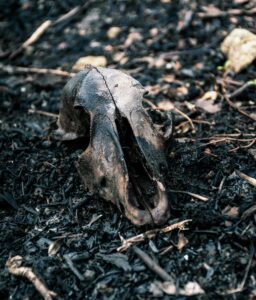
We want you to have a greater ability to learn about some of the unpleasant animal issues in our world.
British Animals Extinct within Historic Times
James E. Harting
CONCLUSION.
In considering the causes, besides those already referred to, which have led to the extinction of the wild animals now under consideration, it should be borne in mind that for some centuries after ‘the Norman Conquest they were not hunted down and destroyed by everybody and anybody, as they would be if they existed at the present day, but were strictly preserved under very severe penalties by the kings and powerful noblemen of the day for their own particular sport and recreation.
William the Conqueror punished with the loss of eyes those convicted of killing a wild boar, stag, or roebuck; and wolves and foxes, although reckoned neither as beasts of the forest nor of venery, could not be killed within the limits of the forest without a breach of the royal chase, for which offenders had to yield a recompense.
The inveterate love of the chase possessed by William Rufus, which prompted him to enforce during his tragical reign the most stringent and cruel forest laws, is too well-known to readers of history to require comment.
In his passion for hunting wild animals Henry I. excelled even his brother William, and not content with encountering and slaying those which like the wolf and the wild boar, were at that time indigenous to this country, he “cherished of set purpose sundrie kinds of wild beasts, as bears, libards, ounces, lions, at Woodstocke, and one or two other places in England, which he walled about with hard stone (A.D, 1120), and where he would often fight with some one of them hand to hand.”
Henry II. and John were both great preservers of wild animals, and monopolized large tracts of country wherein to indulge their passion for hunting. Ferocious animals were in consequence long suffered to remain at large against the will of the people, and hence survived to a much later period in this country than would have been the case had the subjects of these monarchs dared sooner to assert their independence. But at length came the repeal of the forest laws. The operation of the Charter of the Forests, which was signed by John at the same time with Magna Charta, restrained the worst abuses of the feudal tenure; all lands which had been converted into woods or parks since the commencement of this reign were disafforested, and the tenants bordering on the royal forests secured against spoliation; in a word, the laws made for the protection of the game and wild animals were either partially repealed or considerably mitigated.
A confirmation of this charter was obtained, though with much difficulty, from Henry III. It directed that all woods that had been taken in, or, as it was termed, afforested, to the prejudice of the owners, should be disafforested, and no more additions were to be made. Still further concessions on this score were made by Edward I.
From this time it may be said that the presence of ferocious animals in this country was no longer tolerated. They were slain wherever and whenever they could be found, and only managed to survive in reduced numbers, for some few centuries longer, in consequence of the utter impossibility of dislodging them from the almost impenetrable forests and mountain fastnesses to which they were driven. Later on, when large tracts of forests were purposely cut down or burned for the purpose of expelling these animals, and statutes were put in force which rewarded the slayers of them, their extermination was finally accomplished.
Another cause which has doubtless contributed in no slight degree to the extinction of the above-mentioned animals, is the insular character of the country which they inhabited.
As civilization advanced, as forests were cut down, mosses drained and moorlands cultivated, they were driven further and further away, until finally their retreat was cut off by the sea. Unable to retire beyond so irresistible a barrier, they gradually succumbed to the attacks of their pursuers, or to the altered conditions of life, which deprived them per force of the means of existence. We have seen how fully this is exemplified in the case of the reindeer, whose last home in Britain was among the remote hills of Caithness.
To the naturalist it is a somewhat sad reflection, that animals of the forest and the chase, now only known by name as the inhabitants of other countries, were once as familiar to our ancestors as they are at present to the people of the remote kingdoms which they frequent. Man has been warring against these forest denizens, and as tract after tract which they once claimed as their own has been brought under the ploughshare, they have been driven farther and farther back, until the last of them has been blotted out from our fauna.
Lake and moor have become fields of yellow grain; forest has been changed into morass, morass into moor, and moor again into forest, until finding nowhere to rest in peace, the bear, the beaver, the reindeer, the wild boar, and the wolf, have become in Britain amongst the things that were.
James E. Harting, British Animals Extinct within Historic Times; with Some Account of British Wild White Cattle (Boston: J.R. Osgood, 1880), pp. 206-209.
See: https://babel.hathitrust.org/cgi/pt?id=coo.31924024779203&seq=1
Cyanide Hazards to Fish, Wildlife, and Invertebrates: A Synoptic Review
Ronald Eisler
Abstract. Cyanides are used widely and extensively in the manufacture of synthetic fabrics and plastics, in electroplating baths and metal mining operations, as pesticidal agents and intermediates in agricultural chemical production, and in predator control devices. Elevated cyanide levels are normally encountered in more than 1,000 species of food plants and forage crops, and this probably represents the greatest source of cyanide exposure and toxicosis to man and to range animals. Anthropogenic sources of cyanide in the environment include certain industrial processes, laboratories, fumigation operations, cyanogenic drugs, fires, cigarette smoking, and chemical warfare. Although cyanide is ubiquitous in the environment, levels tend to be elevated in the vicinity of metal processing operations, electroplaters, gold-mining facilities, oil refineries, power plants, and solid waste combustion.
Many chemical forms of cyanide are present in the environment, including free cyanide, metallocyanide complexes, and synthetic organocyanides, also known as nitriles. But only free cyanide (i.e., the sum of molecular hydrogen cyanide, HCN, and the cyanide anion, CN) is the primary toxic agent, regardless of origin.
Cyanides are readily absorbed through inhalation, ingestion, or skin contact and are readily distributed throughout the body via blood. Cyanide is a potent and rapid- acting asphyxiant; it induces tissue anoxia through inactivation of cytochrome oxidase, causing cytotoxic hypoxia in the presence of normal hemoglobin oxygenation. Diagnosis of acute lethal cyanide poisoning is difficult because signs and symptoms are nonspecific, and numerous factors modify its biocidal properties, such as dietary deficiencies in vitamin B12, iodine, and sulfur amino acids.
Among the more consistent changes measured in acute cyanide poisoning are inhibition of brain cytochrome oxidase activity, and changes in electrical activity in heart and brain. At sublethal doses, cyanide reacts with thiosulfate in the presence of rhodanese to produce the comparatively nontoxic thiocyanate, most of which is excreted in the urine. Rapid detoxification enables animals to ingest high sublethal doses of cyanide over extended periods without harm. Antidotes in current use to counteract cyanide poisoning include a combination of sodium nitrite and sodium thiosulphate (United States), cobalt edetate (United Kingdom, Scandinavia, France), or a mixture of 4-dimethylaminophenol and sodium thiosulphate (Germany).
All available evidence suggests that cyanides are neither mutagenic, teratogenic, nor carcinogenic. Moreover, there are no reports of cyanide biomagnification or cycling in living organisms, probably owing to its rapid detoxification. Cyanide seldom persists in surface waters and soils owing to complexation or sedimentation, microbial metabolism, and loss from volatilization. More data are needed on cyanide distribution and transformation in the atmosphere.
Analytical methods for the determination of free and bound cyanides and cyanogenic compounds in biological materials are under constant revision. Further, unless tissue samples are obtained promptly after cyanide exposure and analyzed immediately, erroneous analytical values will result.
Higher plants are adversely affected by cyanide through cytochrome oxidase inhibition; the rate of production and release of cyanide by plants to the environment through death and decomposition is unknown. Nonacclimatized soil bacteria are adversely affected at 0.3 mg HCN/kg; acclimatized populations, however, can degrade wastes containing up to 60 mg total cyanide per kilogram. In some cases, soil bacteria and fungi produce cyanides as secondary metabolites, with adverse effects on certain plants. Several species of arthropods normally contain elevated whole-body cyanide concentrations, and these confer protection against predators and allow consumption of cyanogenic plants.
Fish were the most sensitive aquatic organisms tested. Adverse effects on swimming and reproduction were observed between 5 and 7.2 µg free cyanide per liter; lethal effects usually occurred between 20 and 76 µg/L. Biocidal properties of cyanide in aquatic environments were significantly modified by water pH, temperature, and oxygen content; life stage, condition, and species assayed; previous exposure to cyanides; presence of other chemicals; and initial dose tested.
Birds that feed predominantly on flesh were more sensitive to cyanide than were herbivores. Free cyanide levels associated with high avian death rates include 0.12 mg/L in air, 2.1–4.6 mg/kg body weight (BW) via acute oral exposure, and 1.3 mg/kg BW administered intravenously. Dietary levels of 135 mg total cyanide per kilogram ration resulted in growth reduction of chicks, but 103 mg total cyanide per kilogram ration had no measurable effect on domestic chickens.
Cyanogenic plants represent a problem for various range animals and wildlife, primarily among species that eat rapidly. Intakes of 4 mg HCN/kg BW are lethal to these species if it is consumed quickly. Cassava (Manihot esculenta) is a cyanogenic plant that accounts for up to 70% of human caloric intake in some areas, and this is associated with serious, long-term toxic effects including ataxia, optic nerve lesions, altered thyroid function, demyelination, and increases in tissue thiocyanate levels. Acute oral LD50 values for representative species of mammals ranged between 2 and 3.6 mg HCN/kg BW. Despite the high lethality of large single exposures, repeated sub-lethal doses — especially in diets — can be tolerated by many species for extended periods, perhaps indefinitely.
Mammalian deaths were also recorded at air concentrations of 140 mg HCN/m³ (exposure for 60 min) and 4,400 mg HCN/m³ (exposure for 1 min), and at dermal applications between 2.3 mg HCN/kg BW for abraded skin and 100 mg HCN/kg BW for intact skin. Adverse nonlethal effects were noted at drinking water concentrations >150 mg HCN/L and at dietary concentrations >720 mg HCN/kg ra- tion. Free cyanide criteria currently proposed for natural resource protection include <3 µg/L medium for aquatic life, and <100 mg/kg diet for birds and livestock. For human health protection, free cyanide values are <10 µg/L drinking water, <50 mg/kg diet, and <5 mg/m³ air.
Key words: Cyanide, toxic effects, wildlife, cyanogenic plants, aquatic organisms, criteria.
Ronald Eisler, Cyanide Hazards to Fish, Wildlife, and Invertebrates: A Synoptic Review, Contaminant Hazard Reviews Report 23 (Washington: Department of the Interior Fish and Wildlife Service, Biological Report 85 (1.23), December 1991): pp. 1-2.
See: https://babel.hathitrust.org/cgi/pt?id=pur1.32754063674232&seq=1
GROUND SQUIRRELS AND THEIR CONTROL
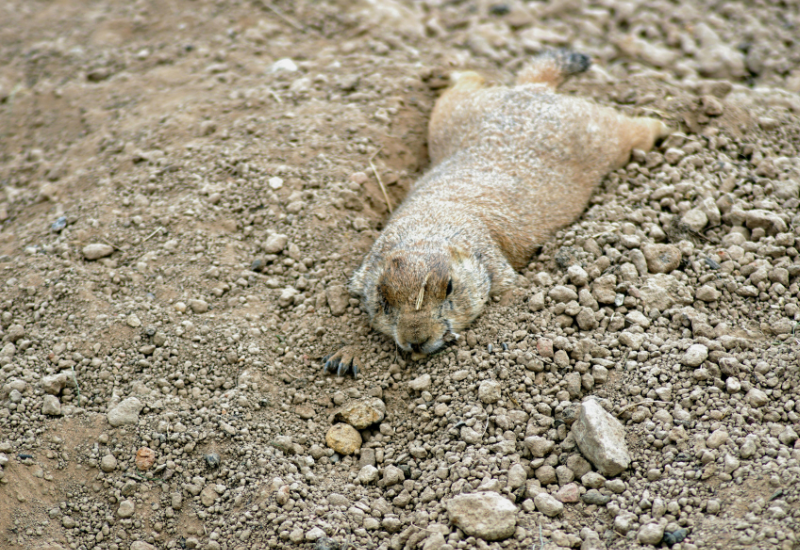
The ground squirrels discussed here are relatively small burrowing mammals of the family SCIURIDAE, genus Citellus. This genus includes most of the smaller species of ground squirrels whose feeding or burrowing habits conflict with man’s agricultural interests. Body conformations differ by species, but all have relatively short legs, a rounded head, and blunt nose. The adult’s upper parts are usually grizzled yellow to dusky gray, and the under parts buff to yellow with variations according to species. Three groups are characterized by a striped and mottled pattern on the body. Total length of adults is eight to eighteen inches, depending on species, with no apparent differences in size or coloring between sexes.
The rodents, frequently known by local names such as: “gopher”, “picket pin” or “thirteen striper”, are widely distributed in western North America. They are seldom found far from their burrows and give the appearance of being nervous and excitable. They frequently sit on their haunches to feed or observe an intruder. Some have characteristic calls varying from a whistle to a yelp or chirp.
The animals hibernate in states where the winter climate brings cold weather. In mild sections of the country they may not hibernate, but undergo periods of reduced activity. Some species come out for a very short period during the summer and go back into a deep sleep by mid-August.
Ground squirrels possess an internal pouch in either cheek opening just behind the lips. Food for storing is carried into their burrows in these pouches. Staple items of diet are seeds, grain, green vegetation and insects. Eggs of ground nesting birds are sometimes eaten and ground squirrels often show cannibalistic tendencies. During their active periods most feeding is done outside the burrow. Seeds and grain for immediate consumption are shelled or husked on the spot. Food for storage is usually “pouched” whole and carried to the burrow.
Ground squirrel infestations usually comprise groups of families or colonies. If left unmolested and ample food is available, they increase rapidly, producing single annual litters of five to a dozen or more young. Planted or growing grain and forage crops are all food for the ground squirrel; and where they are numerous, little is left for the agriculturalist to harvest. Their burrows may also be a nuisance in irrigated areas.
Populations are subject to rapid fluctuation. Infestations are at times virtually wiped out in a matter of a few months, and it is suspected that disease is the principal cause. Ground squirrels are host to several ectoparasites which in turn have been found positive for sylvatic plague, Salmonella organisms, and Rocky Mountain spotted fever. Tularemia and rabies may also infect these animals.
Control measures are of two general types — poisoned bait and poison gas. Both are most efficient during the animals’ active periods. Commonly used baits are whole oats, whole barley, oat groats, and rolled oats. A check should first be run to determine which of the clean bait materials is most acceptable. Several kinds of poisons are used on the different species in various localities. One of these may be prepared as follows:
Dry gloss starch…..………………………. 1 heaping tablespoonful
Strychnine (alkaloid) powdered…….. .…. 1 ounce
Baking soda………………………………. .1/4 pint
Corn sirup………………………………….. 1 ounce
Glycerine..………………………………… 1 tablespoonful
Clean oats……………………………………16 quarts
Dissolve the dry gloss starch in a little cold water and add 3/4 pint of hot water. Boil, stirring constantly, until a thin clear paste is formed. Mix together the powdered strychnine (alkaloid) and baking soda, sift into the hot starch paste, and stir to a smooth creamy mass. Add the corn sirup and glycerine and stir thoroughly. Pour this mixture over the oats and mix so that each grain is evenly coated. It is important that only the best grade of clean oats free of weed seeds be used, as chaff absorbs and wastes much valuable strychnine, and poisoned weed seeds not only imperil useful bird life but also propagate undesirable weeds.
Information regarding sources of materials and other poison formulations useful for controlling specific species of ground squirrels may be obtained through field offices of the U. S. Fish and Wildlife Service.
The baits should be scattered in teaspoonful quantities at the entrance to the burrows used by the ground squirrels. The grain should not be placed in piles, but should be scattered lightly about the entrance to the burrow, preferably on hard clean ground. It should not be placed on loose or dirty ground or in the holes. When properly distributed there is little danger of poisoning livestock. The bait should not be exposed however where hogs or poultry are likely to pick it up.
Ground squirrels may also be killed with calcium cyanide. This material generates a deadly poisonous gas and is usually effective in control work. A tablespoonful should be inserted in the burrow, and the entrance then covered with a piece of sod or other material, making sure that the cyanide is not covered. Calcium cyanide is a highly dangerous substance and should be used with extreme caution.
Another successful method of controlling ground squirrels is the use of the exhaust of an automobile. One end of a hose may be attached to the exhaust pipe and the other end inserted in the burrow. Carbon monoxide gas generated by the motor soon penetrates the burrow and kills the squirrels quickly. This method is practicable where only a few ground squirrels are causing the trouble.
CAUTION: All utensils used in the preparation of poisons and all poison containers should be kept plainly labeled and out of reach of children, irresponsible persons, and livestock.
Ground Squirrels and Their Control (Washington: Department of the Interior, U.S. Fish and Wildlife Service, Branch of Predator and Rodent Control, Wildlife Leaflet 356, 1940), pp. 1-2. All images can be accessed from: https://www.pexels.com/. The lead image is by: Gilmer Diaz. The lower pictures in order are by: Mariosjpgs, Sunny67, Davidohboy, Lakritz, Egor Komorov, Photations, Pixabay, and Theshuttervision.
See: https://babel.hathitrust.org/cgi/pt?id=mdp.39015006870243&seq=1