Marine Pollution
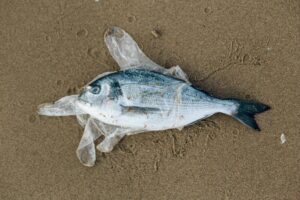
We want you to have a greater ability to learn about some of the unpleasant animal issues in our world.
Report of the Interagency Task Force on Persistent Marine Debris
Chapter I
Executive Summary
The Problem
Modern society uses a variety of petro-chemical compounds generically referred to as “plastics”. Plastics are often substituted for natural materials in clothing (polyesters and nylons instead of cotton, wool, and linen), building materials (fiberglass and similar resin products rather than wood and steel), a myriad of containers from food containers and small vials to underground tanks (polyesters and fiberglass rather than glass and steel), and numerous other applications.
The qualities of various plastic formulations — strength, durability, light weight, ease of production and handling, versatility, and low cost often make them preferable to other materials. Some of these same qualities that make plastic products so desirable also make them potential environmental problems. Some discarded plastics may persist several decades when dropped on land, buried in a landfill, or disposed of at sea.
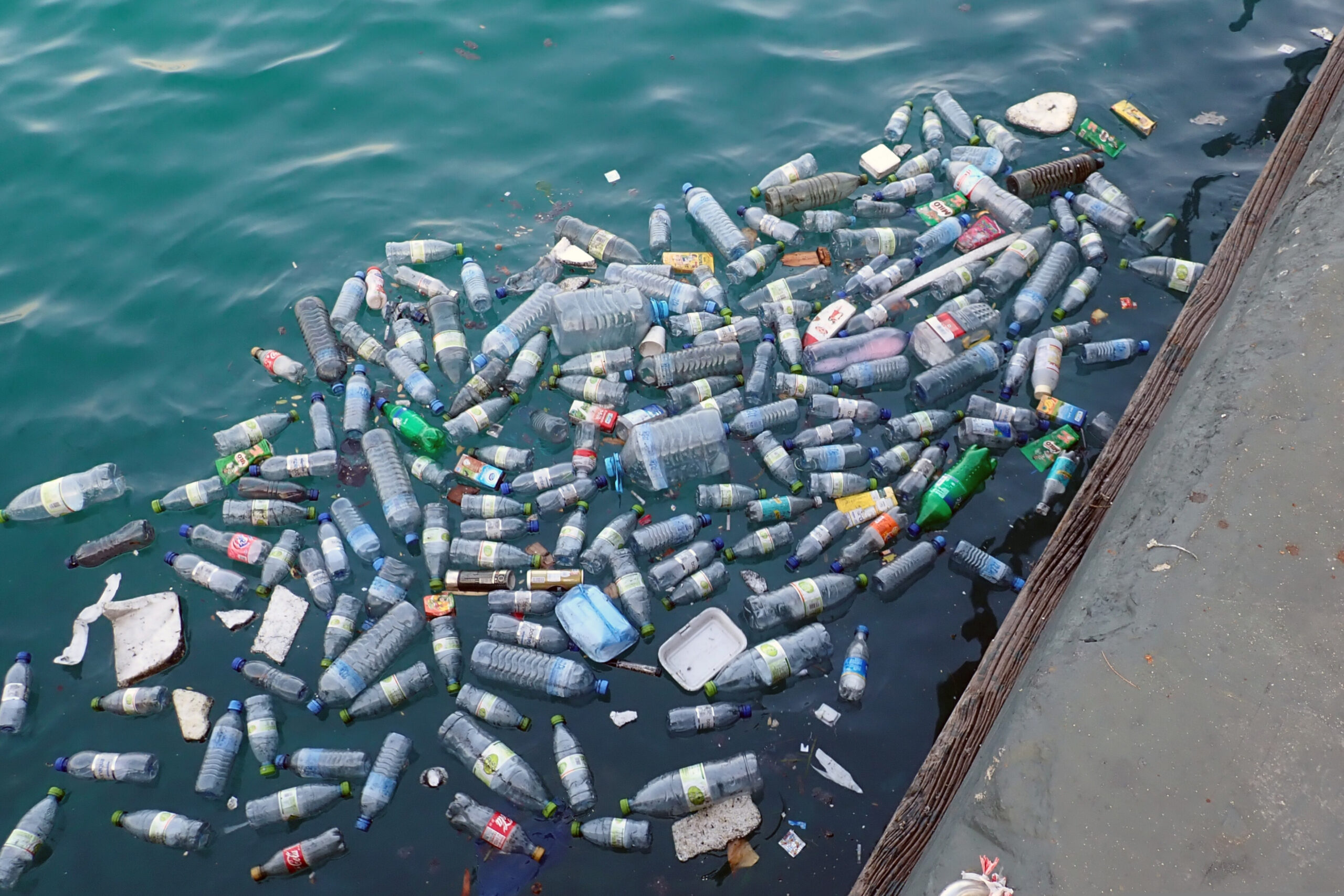
Most discarded plastic products end up in landfills or are burned. However, unknown amounts end up as litter on land and in marine and estuarine waters. Plastic products in oceans come from several sources: discarded trash from ships; fishing gear that has been accidentally lost or intentionally discarded; trash left by beach goers or tossed over the side by recreational boaters; effluent in rivers which carry plastic and other debris into estuaries and oceans; and sewage treatment systems, especially in times of heavy storm runoff. Federal laws restrict the direct ocean dumping of all materials. No permits have been issued for the ocean dumping of garbage (including plastics) into the ocean.
Persistent marine debris causes problems worldwide. Based on information currently available, the problems have not reached crisis stage at most locations or for most species. By dealing with these problems now, through current efforts, particularly programs recommended in this report such as the research recommendations, it should be possible to avoid future problems and reduce existing impacts caused by persistent marine debris.
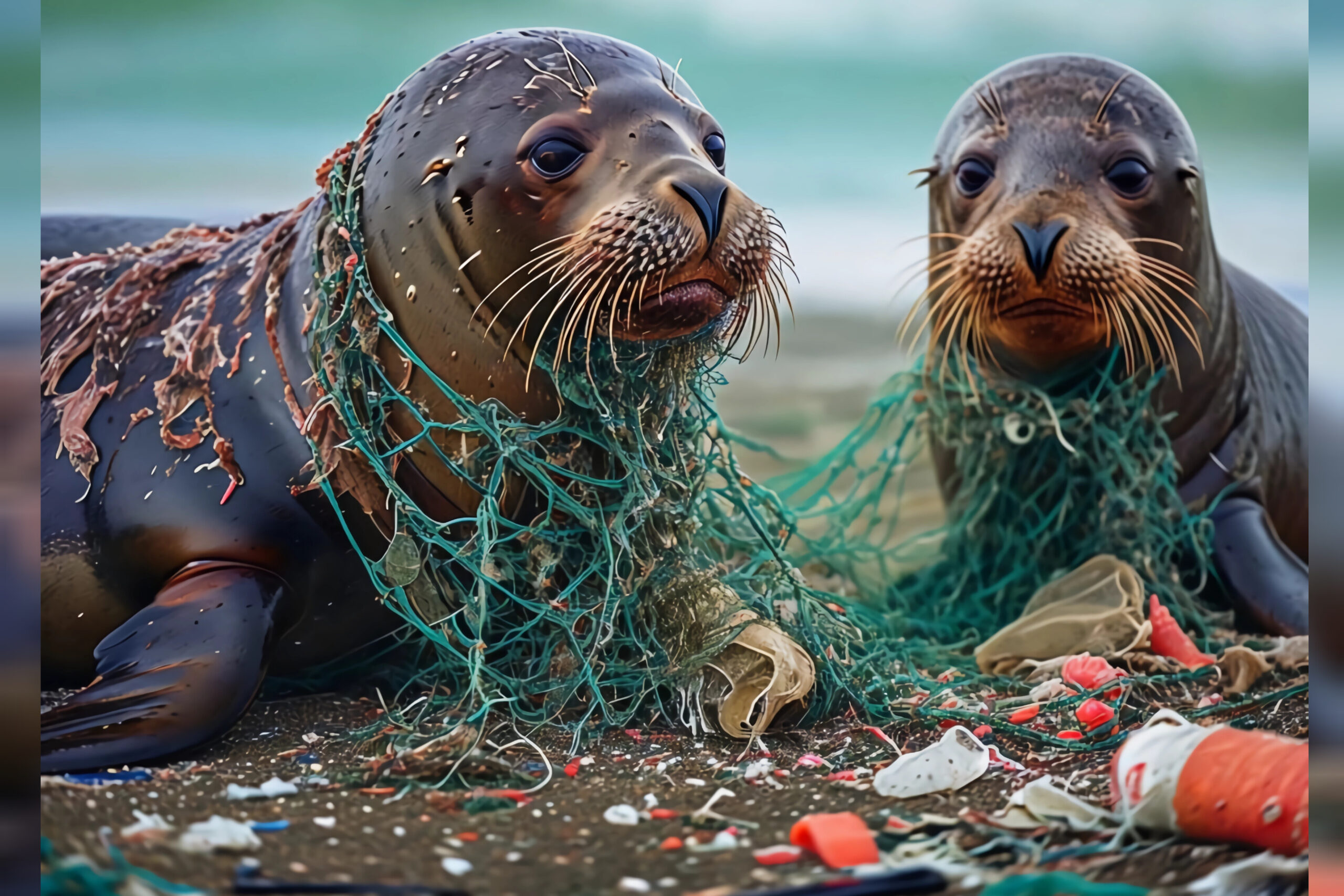
Plastic debris in ocean and coastal areas causes problems for wildlife, boaters, and people using beaches. An improperly disposed of plastic product could end up entangled around a seal’s neck, ingested by an endangered sea turtle, washed up on a beach, or entwined in a vessel’s propeller. Litter is the most obvious cause of public concern. Two categories of problems predominate:
— death or injury of marine life such as fish, shellfish, marine mammals, seabirds, and sea turtles; and
— litter on beaches, which is primarily an aesthetic irritant and an economic burden, but may cause health problems if the material has been contaminated.
Living marine resources are dying as a result of becoming entangled in marine debris or ingesting it. For example:
— Scientists monitoring the Pribilof Islands population of North Pacific fur seals have documented that many animals, especially juveniles, become entangled in persistent marine debris. Some scientists attribute a major portion of the current population decline to entanglement.
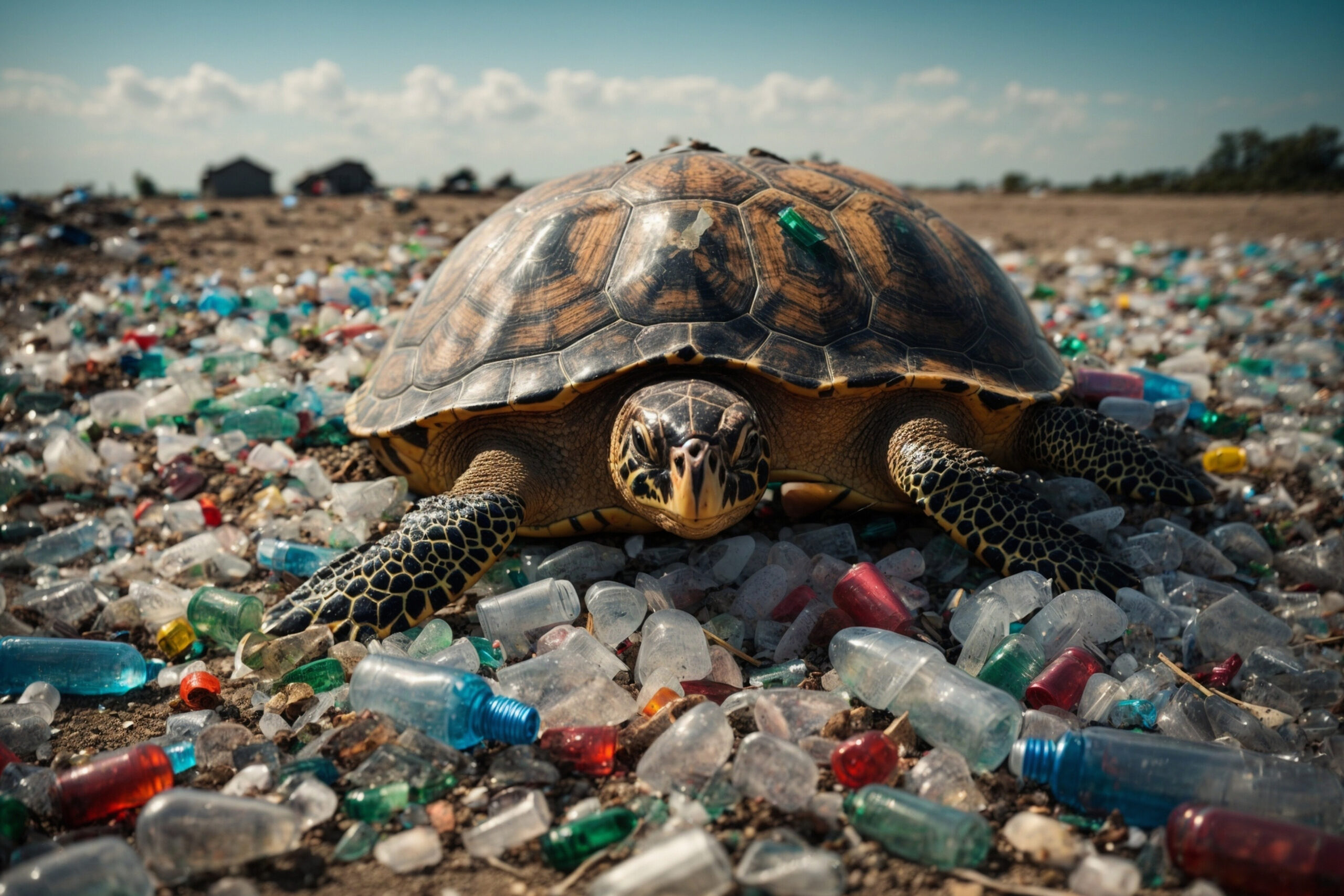
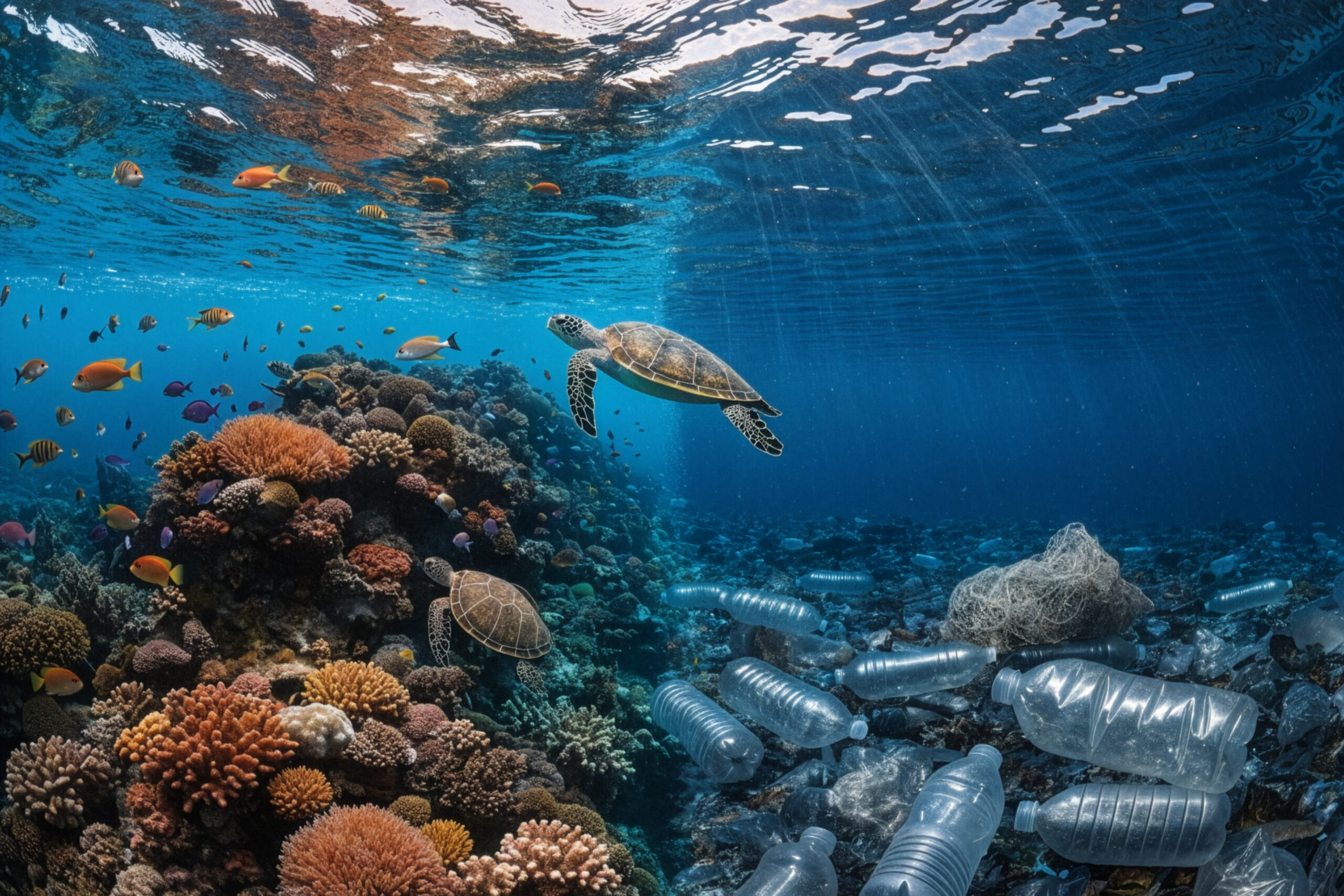
— Virtually all species of sea turtles, all of which are endangered or threatened, are known to ingest plastic which may be confused with natural prey. Some scientists believe the potential exists for significant numbers of young turtles to be killed by interactions with plastics during the pelagic phase of their life cycle.
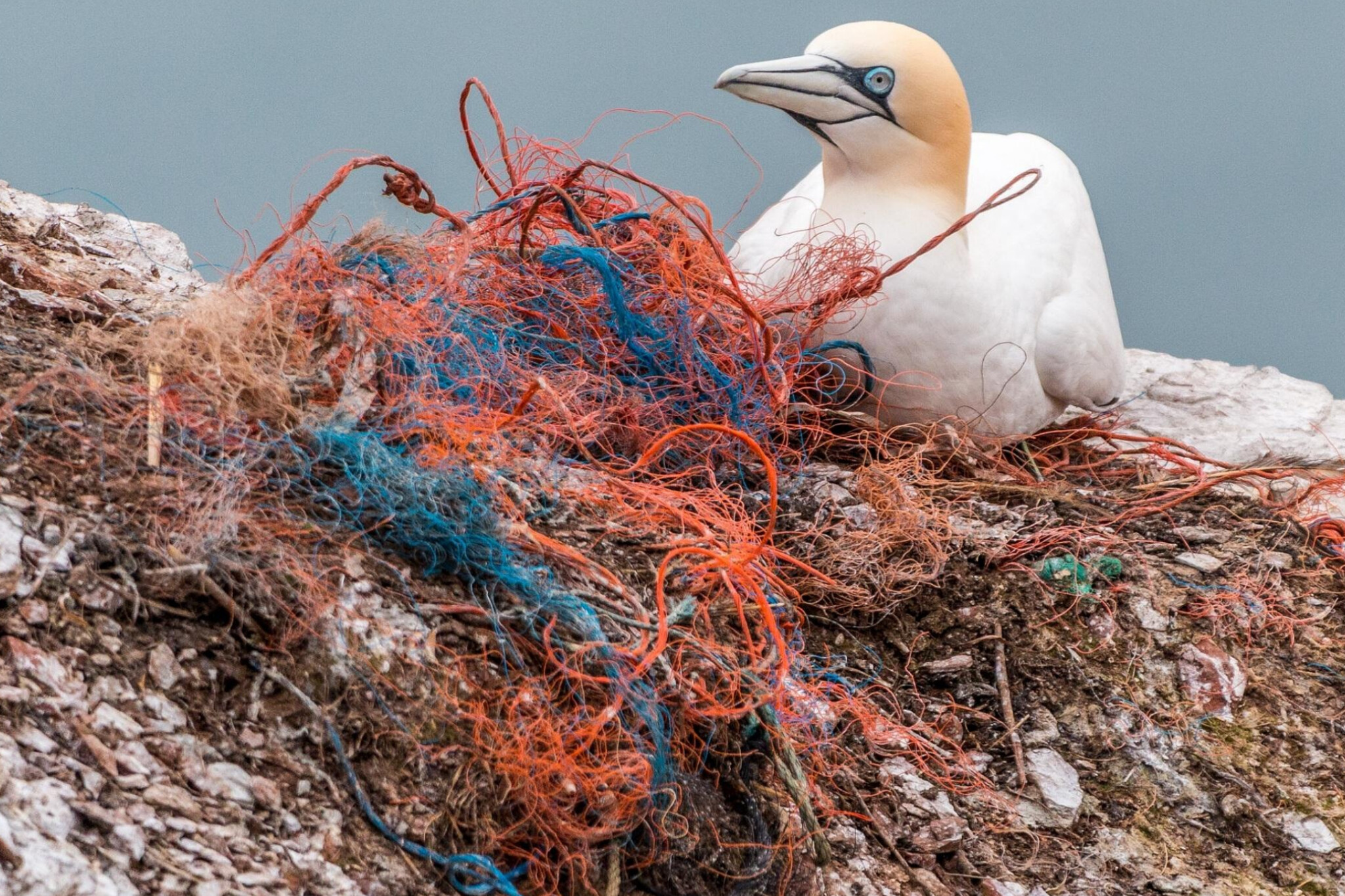
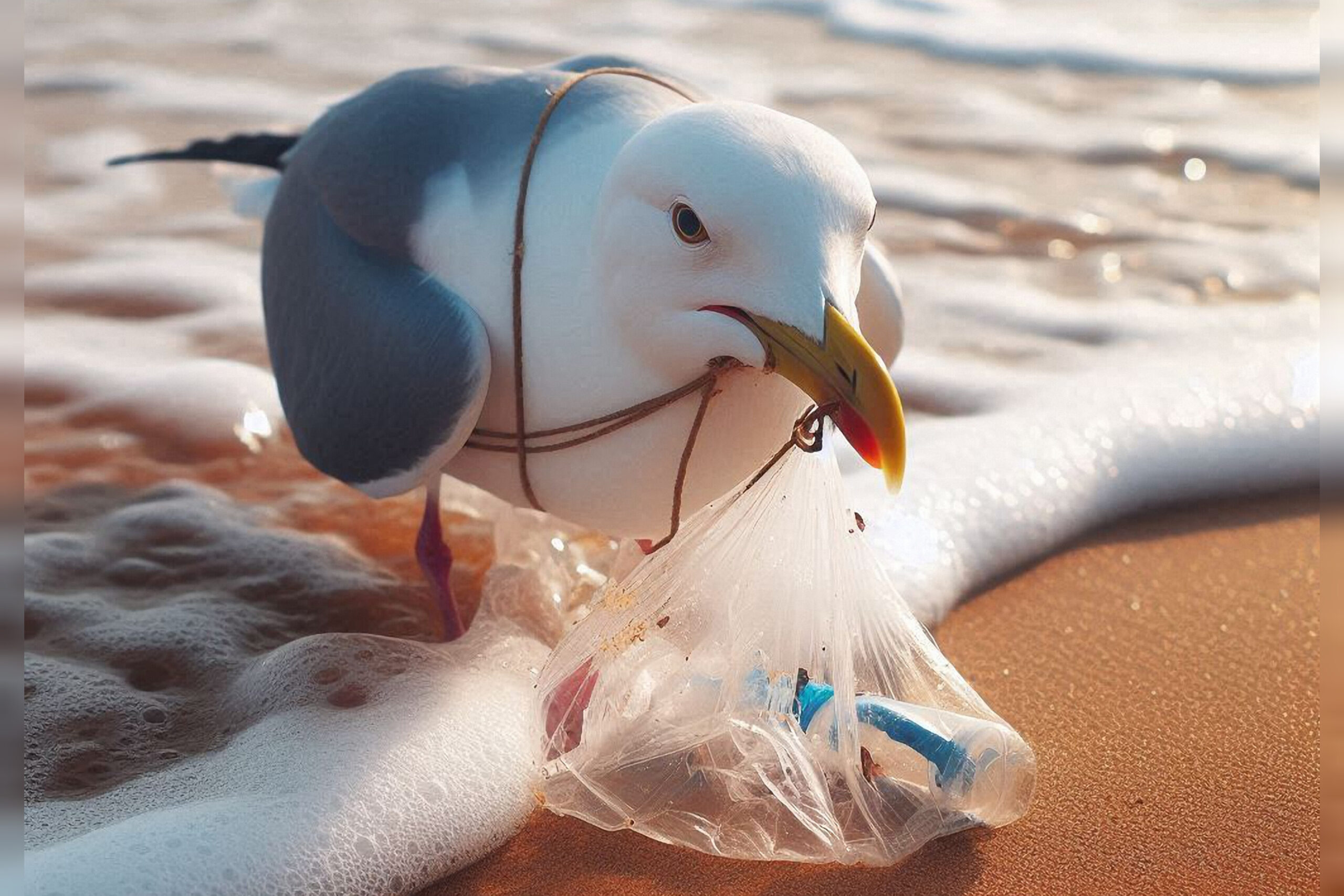
— Many species of seabirds ingest a variety of plastic products including resin pellets, pieces of styrofoam, and fishing line. They also become entangled in derelict fishing gear, strapping bands, and six-pack yokes, leading to their deaths.
A number of marine and terrestrial birds and mammals, as well as marine and freshwater fish, become entangled in debris. Problems exist with “ghost fishing” by lost nets and traps, which can continue to entangle marine resources for years after they are lost. Anecdotal reports and local systematic surveys are increasing each year. To date, adverse impacts have been well studied for only a few wildlife populations, e.g., northern fur seals and the endangered Hawaiian Island monk seals. Without supporting data on population impacts, determining the “significance” of marine debris impacts on wildlife depends to a large extent on one’s interpretation of “significant.” Is the loss of a single individual “significant?” What if the species is threatened or endangered? What if a few losses occur each year? We need considerably more data to characterize accurately the effects of marine debris on wildlife populations. While available data suggest that marine debris poses a serious problem for many species, data are not yet adequate to document the magnitude of effect on populations of any species.
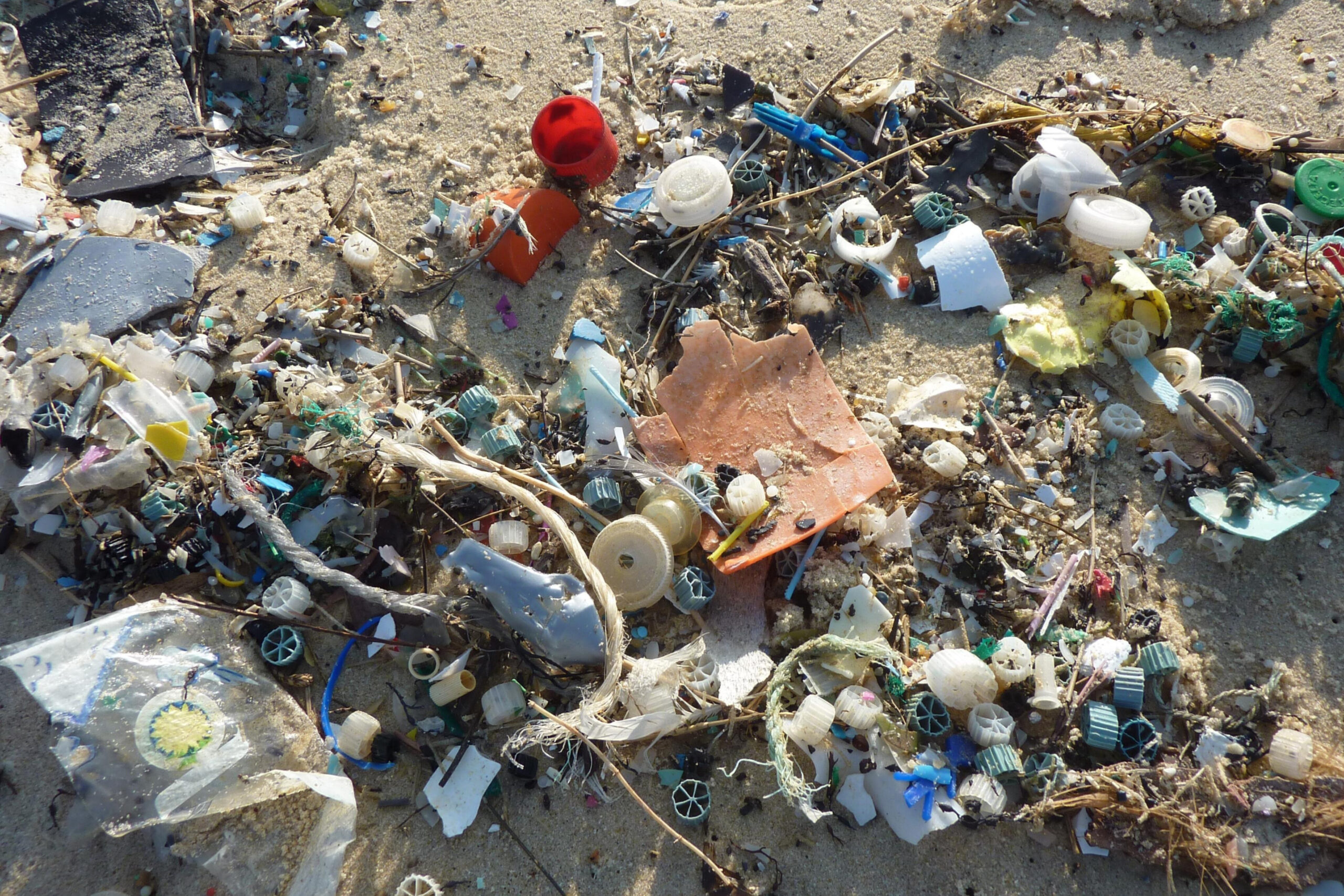
Litter on beaches is ubiquitous and causes much of the public concern. Litter detracts from people’s appreciation of beaches and the ocean. Coastal recreation forms the base of many coastal communities’ economies. Accordingly, to avoid losing tens or hundreds of millions of dollars in tourism, coastal communities spend millions of dollars each year to maintain attractive beaches. State and local agencies are leading campaigns across the country to increase public awareness of problems caused by persistent marine debris. In 1984, the Oregon Department of Fish and Wildlife initiated local beach clean ups. The idea caught on and spread quickly. In 1987, over 26,000 volunteers participated in beach clean ups in every coastal state. People who coordinated the activities were government employees, citizens’ groups leaders, and private sector employees. Several states, particularly Texas and Louisiana, sponsored “adopt-a-beach” programs in which organizations recruited volunteers to clean stretches of beach. Effectively combating problems caused by persistent marine debris requires continued strong grassroots support in local communities.
We know very little about the specifics of marine debris. For instance, we do not know how much originates from different sources, or how much is currently in the oceans, some of which may be mixed with other flotsam and jetsam. How many birds, marine mammals, sea turtles, and fish are captured each year by marine debris? Is it stressing populations? Will efforts underway to reduce input of persistent marine debris be effective? What can be done about land-based sources? How often are vessels disabled by plastic line and sheeting? We need to conduct additional research to answer these and other questions to assure that we select appropriate measures to mitigate the problems….
Recommendations:
The Task Force presents five general recommendations to the Domestic Policy Council. Each general recommendation includes additional, more specific recommendations.
These recommendations are aimed at reorienting the priorities of the Federal government to address appropriately the problems of persistent marine debris within the confines of existing budgets. New budget authority is not contemplated. The recommendations are written to give individual agencies discretion in committing their own resources and implementing the recommendations. Agencies will have to determine funding levels for relevant programs within the context of their separate missions. These recommendations direct agencies to increase their level of effort and provide technical as well as educational materials to state and local governments, private citizens and industry.
Recommendation 1: Federal Leadership:
Federal agencies should provide leadership and continue formal and informal coordination activities related to marine debris with international organizations, state and local governments, private industry and environmental groups. Federal agencies acknowledge that an effective program is only possible with strong state and local involvement.
Recommendation 1A: Federal agencies should cease disposal of plastic materials into the ocean from all Federal vessels as soon as possible. Recommendation 1B: Federal agencies should review their procurement and concession policies in coastal facilities to reduce the amount of plastic packaging, containers, and other products that are improperly disposed of and become persistent marine debris.
Recommendation 1C: Federal agencies should continue to participate actively in international forums to reduce persistent marine debris.
Recommendation 1D: Federal agencies should encourage plastic waste recycling by: 1) providing separate receptacles for different types of trash at coastal facilities; 2) purchasing and using recyclable products and materials whenever possible; and 3) providing technical support to state and local agencies and industry on recycling.
Recommendation 1E: NOAA should coordinate and disseminate information related to persistent marine debris. NOAA should call at least two meetings of appropriate Federal agencies each year to discuss each agency’s education, regulatory, and research programs, as well as to ensure that a continued coordinated effort is made to maximize the effect of existing Federal programs.
Recommendation 1F: NOAA should continue to sponsor the informal Marine Debris Roundtable.
Recommendation 1G: The Administration should support the NOAA/Marine Entanglement Research Program by including it in the Administration’s FY 1990 budget and for at least five years thereafter.
Recommendation 1H: Persistent marine debris should be included as an element in the 5-Year Federal Plan for Ocean Pollution Research, Development, and Monitoring.
Recommendation 2: Public Awareness/Education Program:
Concerned Federal agencies should work with each other, state and local governments, private industry, and environmental groups to develop comprehensive educational materials on problems caused by marine debris and ways to solve them.
Recommendation 2A: Federal agencies should cooperatively support a major public awareness campaign by providing seed money and encouraging funding by the private sector.
Recommendation 2B: The U.S. Coast Guard, U.S. Navy, and other Federal agencies should include materials relative to persistent marine debris problems in all educational materials for employees and candidates for licenses. Recommendation 2C: Federal agencies should use all appropriate media to explain both problems marine debris causes and proper disposal methods. Federal agencies should support formation of an interagency information exchange for available educational materials.
Recommendation 2D: The U.S. Coast Guard should begin a public education campaign on the requirements of the Marine Plastic Pollution Research and Control Act as soon as possible to assure that owners and operators of all vessels, ports, and the boating public are aware of requirements prior to their entering into force.
Recommendation 3: Vigorously Implement All Laws Related to Marine Debris: The Department of Transportation, EPA, NOAA, and Navy should vigorously implement the Marine Plastic Pollution Research and Control Act and other laws to reduce plastic pollution in the marine environment.
Recommendation ЗА: Each agency should make compliance with requirements of the Marine Plastic Pollution Research and Control Act a high priority. Recommendation 3B: The Coast Guard and other Federal enforcement agencies should make enforcement of regulatory requirements of the Marine Plastic Pollution Research and Control Act a high priority.
Recommendation 3C: NOAA should encourage regional fishery management councils to include requirements that fish and shellfish traps and pots have degradable panels or latches.
Recommendation 4: Research and Monitoring:
Federal agencies should carry out research to:
- a) identify and quantify deleterious effects that marine debris causes for fish and wildlife, coastal communities, and vessels;
- b) determine land-based sources of marine debris; and
- c) assess potential uses for, by-products of, and effects of by-products of degradable plastic products.
Recommendation 4A: NOAA, the Fish and Wildlife Service, the Marine Mammal Commission and other agencies should expand research and monitoring activities to determine more precisely impacts of persistent marine debris on fish and wildlife populations, particularly endangered, threatened, and depleted species.
Recommendation 4B: Federal agencies should work with state and local governments, universities, merchant vessel owners and operators, commercial and recreational fishermen, and local communities to quantify economic impacts caused by persistent marine debris.
Recommendation 4C: ΕΡΑ, ΝΟΑA, Coast Guard, and other agencies should carry out research to determine contributions of land-based and vessel sources of plastic refuse to the overall problems, as well as ways to reduce plastic debris from all sources.
Recommendation 4D: NOAA should work with fishermen and equipment manufacturers to develop pragmatic ways to:
1) reduce loss of fishing equipment, particularly traps, trawl nets, and gill nets;
2) improve ways to recover lost fishing traps and nets; and
3) recycle used fishing nets and net fragments.
Recommendation 4E: The National Bureau of Standards should work with the ASTM (formerly known as American Society for Testing Materials) and other industry associations to develop standards and criteria for what constitutes “bio- degradable” and “photo-degradable”.
Recommendation 4F: EPA, FDA and NOAA should work with plastic manufacturers to examine how degradable plastics react in the environment, including potential environmental effects as the plastic degrades.
Recommendation 5: Beach Clean-up and Monitoring:
Federal agencies should work cooperatively among themselves, as well as with state agencies, private industry, and environmental groups to remove marine debris from beaches and other parts of the marine environment. Federal agencies should encourage coordination with state and local authorities to conduct systematic monitoring of marine debris accumulation and impacts to assess compliance with regulations prohibiting disposal of plastics and controlling other solid waste discharges into U.S. waters.
Recommendation 5A: Federal agencies which manage coastal properties should step up actions to remove persistent marine debris.
Recommendation 5B: Federal agencies should support local volunteer beach clean-up efforts as well as the collection and interpretation of data on what the volunteers remove. Federal managers should encourage employees to participate in volunteer clean-ups.
Chapter II
Problems Caused by Marine Debris
Plastic debris in marine and coastal environments affects fish and wildlife, commercial and recreational fishermen, recreational boaters, maritime transporters, and people who enjoy beaches and other marine activities. Volunteer beach clean-ups provide useful information on the variety of items such as bags, six-pack rings, bottles, sheeting, and fish nets and lines, which wash ashore in various areas. However, data from beach clean-ups cannot clearly define all problems caused by marine debris nor identify with certainty the exact sources of most material. Most descriptions of effects on fish and wildlife caused by marine debris rely on incidental reports by scientists.
Five groups of wildlife are most susceptible to injury from discarded plastic: sea turtles; marine and terrestrial mammals; birds; fish; and crustaceans. Marine debris affects wildlife in one of two ways — they can become entangled in it or ingest it…. When an animal becomes entangled or ensnared in plastic debris (strapping bands, beverage container rings, or nets, ropes, and lines), it can strangle, suffocate or exhaust itself. Injury or death may be immediate or prolonged. When an animal ingests small pieces of plastic, it is likely to pass (regurgitate or defecate) it. Large sheets of plastic and other items have blocked intestinal passages of turtles and whales.
Currently available reports on wildlife entanglement in marine debris indicate that many species of marine and terrestrial birds and mammals, as well as marine and freshwater fish, become entangled in debris. Anecdotal reports and local systematic surveys are increasing each year. Although individual animals of many species are harmed, to date, scientists can identify adverse impacts to only a few wildlife populations, e.g., northern fur seals and the endangered Hawaiian monk seals.
Without supportive data on population impacts, determining “significance” of marine debris impacts on wildlife depends to a large extent on one’s interpretation of “significant.” Is the loss of a single or a few individuals “significant?” What if the species is threatened or endangered? Is the potential, but presently undocumented loss of larger numbers of individuals, considered significant? We need considerably more data relating marine debris relationships to wildlife population levels before we can conclude that marine debris has significant adverse impacts on such populations. It is known, however, that marine debris affects individuals of many endangered, threatened, and commercially valuable species. Data are not sufficiently reliable to conclude that its effects are not a significant factor in the health of at least some of these species’ populations.
Scientists regularly report “scars” and bruises on marine mammals as evidence of entanglement. They point out that it is difficult, if not impossible, to know if the scar is from active or discarded fishing gear. Scientists doing this research collect most of their data on land, using stranded sea turtles and cetaceans as specimens. There are no reliable estimates of the fate of marine animals which entangle in debris while at sea or ingest plastic products, because these animals either sink or are eaten, or go unnoticed by human observers due to the vastness of the oceans.
Marine debris affects commercial and recreational fishermen in several ways. First, target species continue to be captured in lost traps, nets, or lines. The extent of losses is unknown, but in some cases, such as lost crab traps, losses may be significant. Second, marine debris may foul or damage active fishing gear as well as damage fishing boats, foul ship propellers, and clog vessel water intake systems. The latter two impacts also affect pleasure, merchant, and military vessels, although such occurrences do not appear to be common.
A. Fish and Wildlife.
1. Marine Mammals.
Reports of marine mammals entangled in marine debris have increased. This may be due to an increase in the actual number of such incidents or an increase in concern and recognition of the problem. Most of the reports come from areas where fishing or marine transportation is common. The most commonly reported entangling debris items are fishing nets, scraps of fishing nets, plastic strapping bands, ropes, and plastic sheeting….
a. Seals and Sea Lions.
Perhaps the best documented research on entanglement in marine debris has been done on northern fur seal populations on the Pribilof Islands…. From the mid-1970s to the mid-1980s, the Pribilof fur seal population has been declining at about 4 to 8 percent per year. Scientists monitoring annual seal harvest between 1981 and 1984 examined harvested seals for evidence of entanglement such as scars around the seals necks, or materials attached. The most common debris entangling seals was net fragments with mesh size of 20 cm or greater. Of the animals harvested, 0.42 percent had indications (scars or bruises) that they had encountered debris.… The observed entanglement has remained relatively constant at about .04 percent since it peaked in 1976 at .076 percent. Fowler (1985, 1987) concludes that this observed rate of entanglement contributes significantly to the decline of the population. He bases this mortality theory on correlations between observed entanglement, pup production, and female harvest. Scientists count only those animals that become entangled in small enough net fragments that they are able to swim back to land. However, they believe that most entangled animals never return to land. Coe (1986) concludes that existing data are insufficient to conclude reliably that the decline of fur seals population is due solely to entanglement in lost fishing gear.
Scientists have also studied entangled seals and sea lions at other breeding and haul-out beaches. Stewart and Yochem (1985) examined sea lions, elephant seals, and harbor seals at San Nicholas and San Miguel Islands in California and found the numbers of seals and sea lions plastic encounters shown in Table II.
Henderson (1985) summarizes reports of 27 to 35 Hawaiian monk seals, a highly endangered species, entangled between 1974 and 1984. Since these seals inhabit remote, seldom visited, islands in the Hawaiian archipelago, this is likely to be a minimum estimate. Hawaiian monk seals are highly endangered and number only 1,000 to 1,800 animals. They are particularly susceptible to buoy lines marking spiny lobster traps, and net debris from high seas gill net and ground-fish trawl fisheries in the north Pacific, much of which washes ashore on the leeward side of the archipelago. In general, it appears that pups and young animals are more likely to become entangled and killed, than older, more experienced individuals.
b. Cetaceans.
Many observers throughout the world have reported incidences of whales and dolphins entangled in fishing gear. The most common types of gear entangling cetaceans are gill-nets (and fragments of them) and buoy lines used to mark traps. Weinrich (1987) reports that 56 percent of endangered right whales photographed by the New England Aquarium have scars from probable gill-net or lobster gear entanglement. Center for Coastal Studies photographs of endangered humpback whales in New England waters show nearly 40 percent of those animals bear scars indicating they have encountered nets or lines…. It is not clear whether these scars are due to entanglement in lost or active fishing gear. As with seals, juvenile whales appear to be more susceptible than adults. Weinrich estimates that net mortality of whales in New England waters caused by entanglement is a “moderate, but not severe, problem.”
In the Pacific offshore fisheries, there are few reports of cetacean entanglement in gear known to be lost or abandoned. Mate (1985) reports several incidences of gray whales off the Oregon coast with active crab-pot buoy lines between their baleen plates, and each year there are a few reports of gray whales becoming entangled in gill nets.
There is some evidence that whales ingest plastic materials. Of 38 sperm whale stomachs examined, one contained “about 1 liter of tightly packed trawl net.”…. Walker (1988) reports that pelagic cetaceans rarely have plastic in their digestive tracts. He collected data from approximately 1,500 free roaming cetaceans (6 different species including Dall’s porpoise, bottlenose dolphins, sperm whales, killer 20 whales, Stenella species, and Baird’s beaked whales) and found no evidence of plastic in their stomachs. Whales and dolphins, which feed on the bottom, rarely had ingested any type of man- made objects. However, he identified a single incident of a captive killer whale dying after it had eaten a plastic bag.
c. Seabirds and Shorebirds.
Plastics in the marine environment cause similar problems for all types of birds. Seabirds and shorebirds, particularly, become entangled in actively fishing nets, discarded nets, and other marine debris such as beverage container rings and monofilament line. These can lead to drowning, choking, or lacerations.
There have been some reports of pelicans with beverage container rings and monofilament around their beaks which prevented them from catching prey. A greater source of concern, however, appears to be entanglement of monofilament fishing line around the wings and legs of pelicans and egrets which then become tangled in trees where the birds roost. Birds become caught in trees then die of exhaustion or starvation….
Day, Wehle, and Coleman (1985) compiled data on ingestion of plastic debris by seabirds. Researchers have found plastic particles in the stomachs of approximately 25 percent of the world’s 250 seabird species. Of the species identified as having ingested plastic, only 12 species have consumed an average of one or more plastic particles per individual….
Shearwaters and parakeet auklets show the highest incidences of ingesting plastic, as high as 21.7 particles of plastic per individual (short-tailed shearwater) in a California study…. Resin pellets are the most frequently identified plastic type consumed by birds…. Several shearwater and alcid species, e.g., puffins, auklets, and murres, ingest floating resin pellets, probably because they resemble fish eggs or invertebrate prey. They are the most common form of plastic ingested by seabirds. These pellets and other plastics may be especially harmful to young birds which rely on regurgitated food from their parents during the first weeks of life. When an adult feeds resin pellets to young birds, the young may not able to pass them. Therefore, their stomachs can fill with pellets, preventing them from obtaining adequate nutrition.
No scientists have yet attributed a decline of a seabird population to persistent marine debris.
3. Sea Turtles.
Five species of sea turtles inhabit U.S. waters — Kemp’s ridley, hawksbill, leatherback, green, and loggerhead — each of which is listed as either endangered or threatened under the Endangered Species Act. Their preferred habitats and foraging patterns differ significantly. However, like other wildlife, they can ingest and become entangled in plastic debris. Entanglement can cause a turtle to drown, reduce its swimming efficiency, and lacerate exposed appendages.
Balasz (1985) reviewed published literature documenting sea turtle encounters with plastic debris worldwide. He identified 79 reports on ingestion of plastic and 60 reports of entangled sea turtles from all over the world. He further reports the findings of several researchers who have examined sea turtle digestive tracts and found very little or no plastic items: green turtles off Nicarauga…; loggerhead turtles from Cumberland Island, Georgia…; and loggerhead, Kemp’s ridley and leatherback sea turtles from Virginia, Maryland, and Delaware….
Sea turtles spend up to their first five years of life drifting with oceanic currents. As with other floating material, they appear to be concentrated along lines of current convergences or at the centers of major current gyres, such as the Sargasso Sea in the Atlantic. Carr (1987) reports that these zones have high concentrations of plastic marine debris, particularly pieces of styrofoam, resin pellets, and floating nets which intermingle with sargassum weed and other flotsam. Young sea turtles are especially vulnerable to plastic debris because these zones are their essential habitat and the plastic beads are suggestively similar to their standard food — sargassum floats — and resembles natural prey items such as invertebrates. Also, as the turtles move about in the sargasso weeds, they may become entangled in nets and line.
Large leatherback sea turtles are pelagic and highly migratory. They subsist primarily on jellyfish. Researchers have found dead leatherback sea turtles stranded on beaches with plastic bags and sheets in their digestive tracts. They attribute leatherback consumption of plastic sheeting to its resemblance in the water to jellyfish….
The National Marine Fisheries Service within the National Oceanic and Atmospheric Administration, Department of Commerce, has coordinated a nationwide sea turtle stranding reporting network since 1978. NMFS scientists and others have necropsied stranded sea turtles, some of which included analysis of stomach contents for some of the turtles. These indicate that one-third to one-half of endangered and threatened sea turtles are ingesting plastic products or byproducts…. These estimates are slightly higher than information presented by Balazs that 13 percent of 140 leatherback sea turtles and 23 percent of 39 green sea turtles examined had consumed plastic bags.
Only Plotkin (1987) attributes the death of any animals directly to ingestion of plastic. She attributes the death of one loggerhead turtle to a plastic bag which was completely blocking the animal’s digestive tract.
4. Fish and Shellfish.
&Fishing pots (traps), gill nets, and other fishing gear may continue to capture fish and shellfish after they are discarded or lost. Commercial and recreational fishermen primarily use traps or pots to capture crustaceans such as crabs and lobsters although they are sometimes used to catch demersal fish (e.g., snappers). High (1985) estimates that king crab and Dungeness crab fishermen in Alaska and along the Pacific coast lose over 10 percent (over 1,200) of their pots annually. In baited pots, predators consume bait within several days. Lost pots continue to trap fish and shellfish which in turn attract new predators, such as crabs. Scientists found that escape panels prevent about 20 percent of legal size crabs and 8 percent of sub-legal crabs from escape. The cycle continues until the trap disintegrates. This may take up to several years.…
The advent of monofilament gill nets enabled fishermen to string long curtains of nets in ocean waters. Fishermen use different types and sizes of gill nets throughout the world, depending on target species. In the Bering Sea and North Pacific Ocean, Japanese salmon and squid fishermen use nets up to 25 miles long. The mother-ship salmon fleet within the U.S. EEZ sets approximately 1,100 miles of gill nets each night during the 4 to 6 week salmon season…. U.S. observers aboard these fishing vessels estimate that this fishery incidentally captures thousands of pelagic seabirds, approximately 2,000 Dall’s porpoises, and other species of marine mammals each year. These are data from actively fishing nets, not debris. However, one anticipates continued capture of target as well as non-target species in lost gill nets as long as they fish. Even a small rate of net loss from such an extensive fishery could produce substantial quantities of net debris.
One study shows the changes in shape of derelict gill net fragment of varying sizes over time and determines the fishing ability of these nets… Gerrodette deployed and tracked gill net sections of 50, 100, 350, and 1,000 meters. He observed them for between 57 and 309 days. The 50 meter net had collapsed, or folded in accordion fashion within 30 minutes after deployment, although it was still hanging freely in the water. The 350 meter net collapsed to 40 percent of its original length in a few hours, and had collapsed completely by the 10th day after deployment. The 1,000 meter net followed a similar pattern of slower contraction. Very little marine life was caught in any of the gill nets during the first 3 days of observation, only a small marlin and a large flying fish. After 10 days, a rotting shark and several unidentifiable bony fish were observed. No large animals were entangled when the nets were recovered. The study showed that drifting gill nets will eventually collapse and ball up, thus reducing their fishing ability. Nets less than 100 meters long collapse in less than a day, while longer ones may take several days to several weeks.
The collapse rate may be shortened if a large animal is caught and struggles. It may be lengthened if any buoys are attached. A collapsed gill net can still catch fish, but its effectiveness is diminished. Collapsed gill nets still pose a hazard because non-target species attract fish which may attract predators which may be more effectively ensnared in the many folds of the collapsed net.
No one knows for sure how long lost gill nets continue to capture animals after they are lost. High (1985) reports that synthetic gill net materials in the marine environment remain strong enough to capture fish and wildlife for at least six years. Carr, et al (1985) surveyed from a submersible over 100 acres (40.5 ha) of actively fished gill net areas near Gloucester, Massachusetts. They found nine lost gill nets, six of which were balled up and rising from the bottom up to 10 feet (3.6 m). The other three stretched horizontally with reduced float line heights. These researchers estimated the time that nets had been submerged by algal and invertebrate animal growth on them. Eight of nine nets were thought to be over three years old. The nets had caught over ten species of marine life. Like lost crab traps, lost gill nets continue a cycle of ensnaring marine life which dies, thereby attracting more predators and scavengers which themselves become entangled and die.
No data are available on frequencies of fish ingesting plastic debris, although this is known to occur….
Report of the Interagency Task Force on Persistent Marine Debris (Rockville, MD: Department of Commerce, National Oceanic and Atmospheric Administration, etc., 1988), pp. 1-28. Tables and some citations from Chapter 2 have been deleted.
See: https://babel.hathitrust.org/cgi/pt?id=uc1.31822031545874&seq=1
MARINE POLLUTION PROBLEMS AND REMEDIES
by Oscar Schachter and Daniel Serwer
Marine pollution is a global problem in several senses. It affects the health of the oceans in all parts of the world, it affects all countries, both developed and developing; and all countries contribute to some aspects of the problem. Some marine pollution problems are local, but many have international implications. Particularly if the effects of pollution on the living resources of the sea are considered, very few marine pollution problems can be considered matters of exclusively local interest.
It is not only a global problem in extent but a many-sided complex phenomenon with interlocking economic, technological, political and legal aspects. Obviously, no single remedy or solution can be expected. The simple maxim that those who pollute should clean up or pay compensation has only limited utility. Wastes are disposed of in the oceans partly because the costs and risks of putting them elsewhere are greater. In many cases, the blame for damage cannot be assigned. Even where it can be, liability may not be a deterrent. Outright prohibition may be necessary to prevent pollution but that may involve substantial deprivation to legitimate users.
It may well be that new structures of authority are required, as the Secretary-General of the United Nations has recommended, but the effective exercise of authority would still be limited by the inherent complexities of the problems themselves, by the gaps and uncertainties of scientific knowledge and by the hard facts of economics and political interest. Clearly, the difficulties of setting goals and priorities will not be solved at a single stroke. Continuing wise management will be needed.
This management will need information as well as wisdom. We are profoundly ignorant of much that goes on in the marine environment. The oceans are, along with extra-terrestial space and the interior of the atomic nucleus, one of the frontiers of scientific and technological research. The present ignorance is not limited to isolated details like the number of fish in the sea, though that too is a question which cannot now be answered satisfactorily. We lack knowledge of fundamental aspects of the physical, chemical and biological working of the oceans. It should be no wonder then that events in the sea like the recent explosion in the population of the Crown of Thorns — a population explosion which has threatened to destroy coral reefs throughout the Pacific Ocean — are not quickly explained. This ignorance of the oceans and the life in them is one of the reasons why the problem of marine pollution and its effects must be treated with respect and caution.
The need for information about pollution has been recognized in the plans for world-wide monitoring of the oceans most notably, the International Global Ocean Station Systems (IGOSS). That plan rests on an impressive technical capability to gather data through automated buoys and transmit the information throughout the world. But technical capability is not in itself sufficient for producing useful knowledge — it needs to be designed and employed for scientific understanding. Yet because of our ignorance of the oceans, we may not have reached the point where our scientific knowledge of ocean problems would justify a data-gathering system on a global scale.
Whether or not this is the case, it is quite clear that routine global monitoring will not in itself provide the information required for pollution control. Ocean research, and especially experimentation, are equally required and beyond that a much greater theoretical understanding of the ocean systems and how they work. over, for adequate fact-finding a variety of investigators will still be needed, even though there may be several thousand automated buoys dispersed in the oceans. We may recall that the harmful effects of DDT were discovered by the efforts of a multitude of bird watchers, game wardens, conservationists and a variety of professional scientists. It is unlikely that a single global automated monitoring system can take the place of that kind of information-gathering network.
What measures can and should be taken in marine pollution control is complicated by the variety of pollutants. These vary not only in their chemical composition and behaviour, but also in the manner in which they enter the marine environment and the nature and extent of their effects. Some materials which pollute the marine environment are discharged intentionally; others are only discharged accidentally. Some sources of marine pollution can be pin-pointed; others are for all practical purposes untraceable.
Some marine pollutants maintain their chemical integrity for decades and even centuries; others are degraded to harmless materials in a matter of hours or days. Some marine pollutants present a clear and immediate threat to marine life; others may only be dangerous in the long-term, and the precise nature of these dangers may still be unknown. No single measure or type of measure, on either the national or international level, is adequate to meet the range of marine pollution problems. Marine pollution control measures must be tailored carefully to fit particular problems. Moreover, the fashioning of these measures is not a task for the imagination alone. The present international system, based as it is on the interdependency of sovereign states, is the material from which solutions must be cut. This system has both considerable capacity and serious limitations for dealing with marine pollution problems.
The capacities can be illustrated most clearly if the specifics of marine pollution problems are immediately at hand. Accordingly, in what follows we select what appear to be the most important marine pollution problems and to summarize what is known about where the pollutants originate, the extent to which they are found in the marine environment, how they affect the marine environment, what international controls now apply and the prospects for future pollution and its control. This is done under four headings: oil, chlorinated hydrocarbons, wastes discharged from coasts and wastes dumped from vessels. This discussion of specific marine pollution problems and remedies is prefaced by a few background facts about the marine environment which bear on the problem of marine pollution.
Some basic facts about the marine environment.
While the primary chemical constituent of the oceans is water, many other chemicals are found dissolved in this water. Even in “natural” sea water, these chemicals include many of the substances which we refer to as pollutants. Mercury, lead, hydrocarbons similar to those found in oil, and some radioactive nuclides would all have been found in the oceans millions of years ago. The difference between now and millions of years ago is that man is adding to the concentrations of these materials, as well as introducing new materials like chlorinated hydrocarbons, in amounts which are significantly altering the chemical composition of the marine environment. In a number of cases, the “significant amounts” added by man’s activities are doubling the natural concentration of marine chemicals and introducing new chemicals in concentrations approaching those of naturally occurring chemicals.
The significance of these added chemicals in the marine environment lies in their effects on the ecology of the marine environment, that is in their effects on the relationship among living things and between living things and their environment. These relationships are delicately balanced. Marine life is interconnected in a web of interrelated food chains, all of which depend in the end on the chemical situation in the marine environment. Diversity of species is an essential characteristic of these food webs, for diversity is frequently associated with stability in ecological systems.
At the base of marine food webs there is usually some form of phytoplankton, tiny plants which float on the surface of the sea. Phytoplankton are responsible for the primary production of 90 per cent of the living material in the sea. Moreover, they have produced by photosynthesis about 70 per cent of the oxygen on the earth. The marine life which supplies man with food, usually fish ten inches or longer, are found relatively high in the marine food webs. The continued production of these fish depends on the maintenance of the species below them. Of course, changes in food webs have always occurred, with some species becoming extinct and others evolving. The adaptive capacity of marine life may not, however, be unlimited, and the adaptations are not necessarily beneficial to man. The greatest long-term danger from marine pollution lies in its potential for upsetting the ecological balance of the oceans in such a way that man will find the usefulness of the marine environment vastly diminished. That this can in fact happen is clearly demonstrated in many of the world’s fresh water areas.
The ecological balance of the oceans can be upset in many ways. Some pollutants simply poison the animals and plants with which they come into contact. Other pollutants make such a demand on the oxygen dissolved in sea water — oxygen which is essential to the life of marine animals — that the living competitors suffocate. Some pollutants encourage the growth of a single species which either consumes or poisons other species. Still other pollutants accumulate in marine food chains and webs because they are not readily metabolized. Pollutants concentrated by food chains can reach levels which upset physiological functions. Examples of these mechanisms can be found in the outlines of the effects of specific pollutants given later in this paper.
The operation of these mechanisms and the effects they have are determined, in part, by where in the marine environment pollution occurs. The oceans are not homogenous. Physical parameters like temperature and pressure vary greatly. Marine life and the nutrients required to support it are not evenly distributed over the oceans, but are instead found concentrated in certain areas. These fertile areas of the oceans often lie along coastlines; estuaries are the most fertile areas. Some species of marine life are found concentrated in certain areas, while others range over wide expanses of the oceans.
Even the motion of water in the oceans is not uniform. As much as waves may appear to be similar all over the earth, oceanographers find that some water moves rapidly in ocean currents and some water remains in much the same place for many years. Putting a pollutant in some ocean areas is like putting it in a lagoon: it stagnates for a long time. On the other hand, pollutants do not have to be put in a particular part of the oceans, or even in the oceans at all, in order to end up there. Not only do the rivers run into the sea and the currents of the sea run over the earth, but the atmosphere and the sea constantly exchange materials.
Some concluding observations.
Marine pollution is, of course, but a part of the totality of environmental problems which confront us today. The immediate effects of marine pollution are not as severe as are the immediate effects of pollution of air and inland waters in many countries, though the potential for catastrophe may be greater due to the global character of marine environment and the fact that it is the ultimate receptacle for so many pollutants. It is not, however, either possible or desirable to limit problem-solving efforts to one or even a small number of problems. Marine pollution problems have their place in the total environmental problem and must be dealt with. Nor is it either possible or desirable to view environmental problems solely from a single point of view, and each of the problems discussed here as a marine pollution problem may well be found discussed elsewhere in a different context.
Wastes discharged from coasts are not only a marine pollution problem; they are also a part of the problem of the proper use of the coastal and fluvial margin, a problem which includes land-use planning, urban population growth, the building of dams and the digging of canals. DDT is not only a marine pollution problem; it should also be viewed as an agricultural problem and as a health problem. What we call marine pollution problems here are, in reality, part of a vast overlapping set of problems which will have to be cut up again and again in different ways before the solutions become clear.
The comprehensiveness which is essential to reaching such solutions will be gained only through new efforts to reveal the full complexity inherent in the problems themselves. A purely piece-meal approach, characterized by approaching a single problem without considering its relationship to others would not be adequate. The attempt to achieve comprehensiveness in a single leap may be equally illusory. Even if a global environmental authority could be set-up tomorrow, the difficulties and obstacles will have to be dealt with through a variety of specialized instrumentalities. This has come to be recognized on the international level by the specialized agencies and the United Nations bodies concerned. The decision to hold a United Nations Conference on the human environment in 1972 has had a role in clarifying the various tasks of specialized agencies and has stimulated as well new activities by international non-governmental organizations.
Along with these activities there has come to be a greater recognition of the need for regional pollution control organs since it is apparent that although pollution is a global problem, it is not uniformly global. Regional arrangements in the Baltic, the North Sea, Mediterranean, Caribbean and perhaps in the Arctic are now underway, and it is likely that these organs will have a decisive part to play in achieving day-to-day practical controls. The adoption of standards and procedures, by international global and regional organizations, even though only recommendatory, can have an added degree of effectiveness by virtue of the open-ended obligation of Article 25 of the Convention of High Seas on States Parties to take anti-pollution measures in cooperation with competent international organizations. On that basis, supervisory and surveillance machinery may be more easily instituted by international organizations pending the conclusion of new treaties.
In short, we need a many-sided institutional approach to achieve the right balance. Pollution problems will not be solved by a single discipline, a single institution or a single wave of enthusiasm. Science can provide certain types of information, but that information will have to be communicated effectively to the international and national decision makers. There is certainly a need for new institutions, though a large part of the solution will lie also in making old institutions more effective. There is as well a continuing need for maintaining the needed pressure from scientists, professional groups and the public at large. The fact that pollution has come to be seen as a problem of great intricacy in a world where many cannot afford to be clean underlines the importance of sustained professional concentration on the whole range of problems.
Oscar Schachter and Daniel Serwer, Marine Pollution Problems and Remedies UNITAR Research Reports, No. 4 (New York: United Nations Institute for Training and Research, 1970), pp. 1-6 and 39-41. Footnotes have been deleted. The lead image by N. Voitkevich can be accessed at: https://www.pexels.com/. The lower images can be found at: https://pixabay.com/. The photographers or titles are: A Different Perspectives, Beasternchen, Cloud Purple, Midherren Fish, Monicavolpin, The Digital Artist, Digital Expert, and Bilyjan Guise.
See: https://babel.hathitrust.org/cgi/pt?id=uva.35007004721530&seq=1