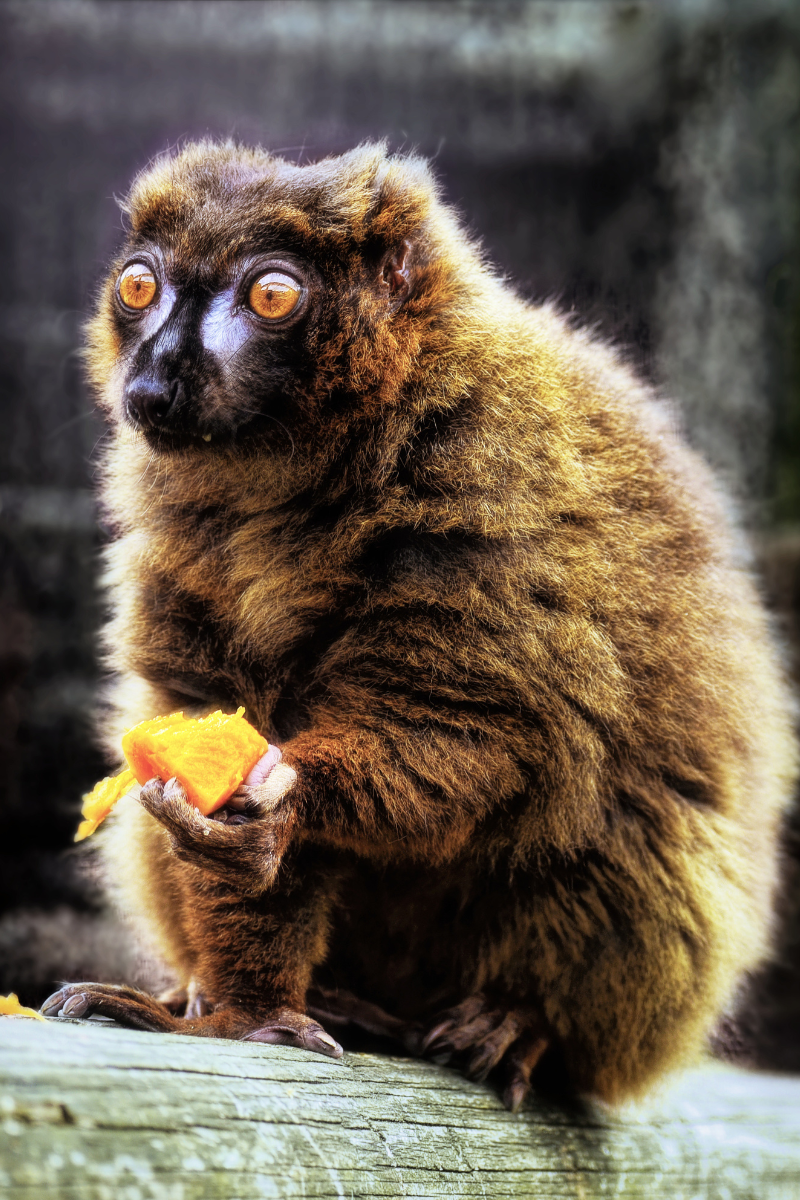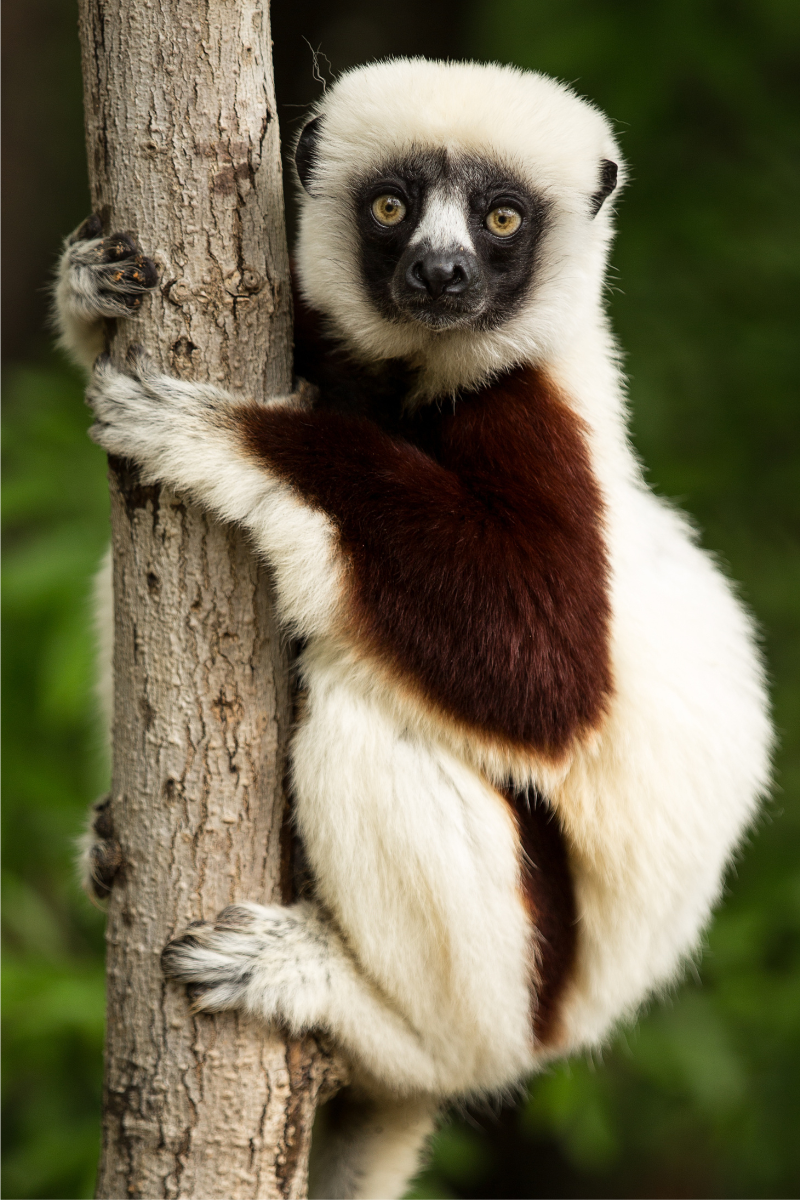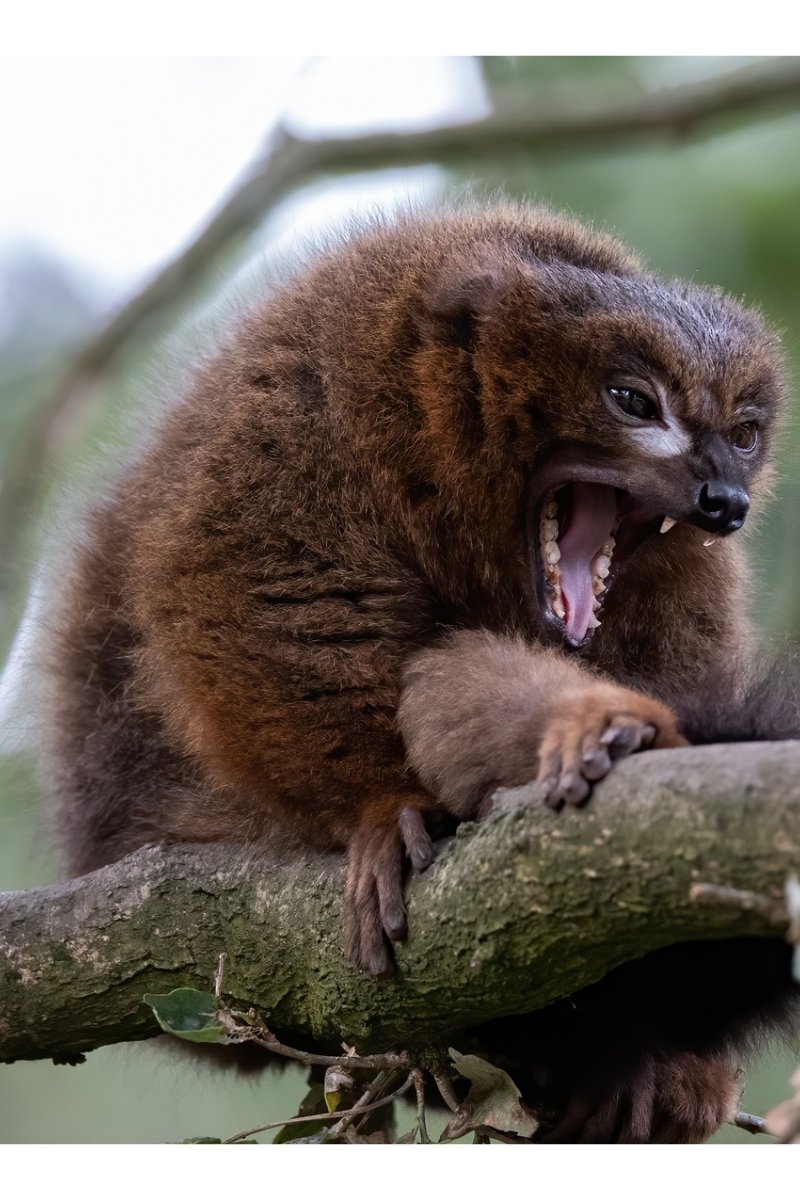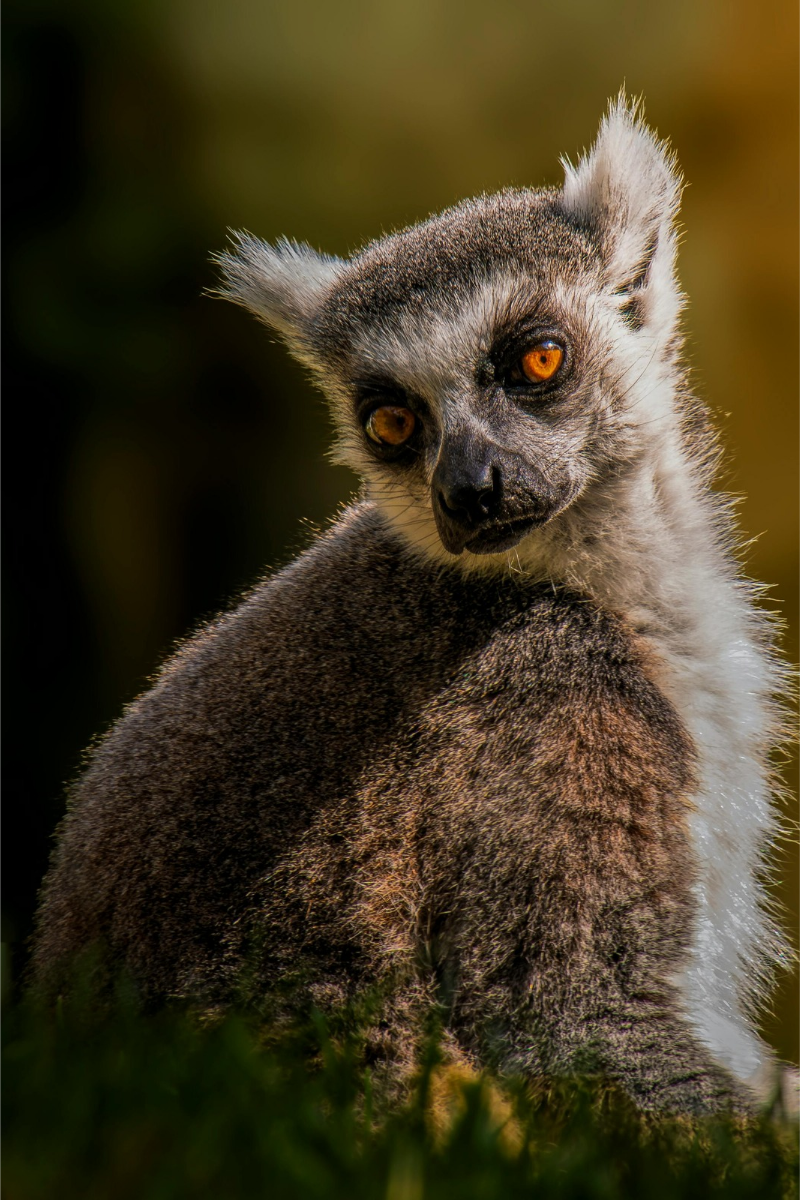
Lemurs
We want you to have a greater ability to learn about some of the unpleasant animal issues in our world.
The Great African Island
James Sibree
CHAPTER III.
THE ANIMAL LIFE OF MADAGASCAR
Lemuridæ. — The Primates are represented in Madagascar only by a portion of the eight families into which this order of mammals is divided; the anthropoid and other apes, the baboons and the numerous families of monkeys, being altogether absent. But their place is taken by a much more attractive and beautiful division of quadrumana, the Lemuridæ, which are found in great variety of form and colour all through the encircling ring of forest. In travelling from the coast to the elevated plateaux of the interior, one is sure to frequently hear their loud wailing cries, which sometimes make the woods resound for some minutes together, and have a most startling effect when heard for the first time. For a moment one supposes that there is a company of people not far distant in deep distress; but after discovering the source of the sounds, I always found a curious pleasure in listening to the long-drawn-out melancholy cries, which are doubtless rather signs of the little creatures’ enjoyment of their forest life than any expression of pain or fear.
Lemurs are gentle and affectionate animals and easily tamed, and are frequently kept as pets in Madagascar, being secured by a long cord to a post of the verandah. Their agility is marvellous, for they leap to considerable distances from branch to branch; so that a wood frequented by a company of them is all alive with their rapid movements, and resounds with their cries as they dart from tree to tree.
The true lemurs are mostly fruit-eaters, but they are said occasionally to feed also on the smaller animals found in the woods: lizards, small birds, and insects. Most of them are diurnal in their habits, but there are some species which are chiefly nocturnal.
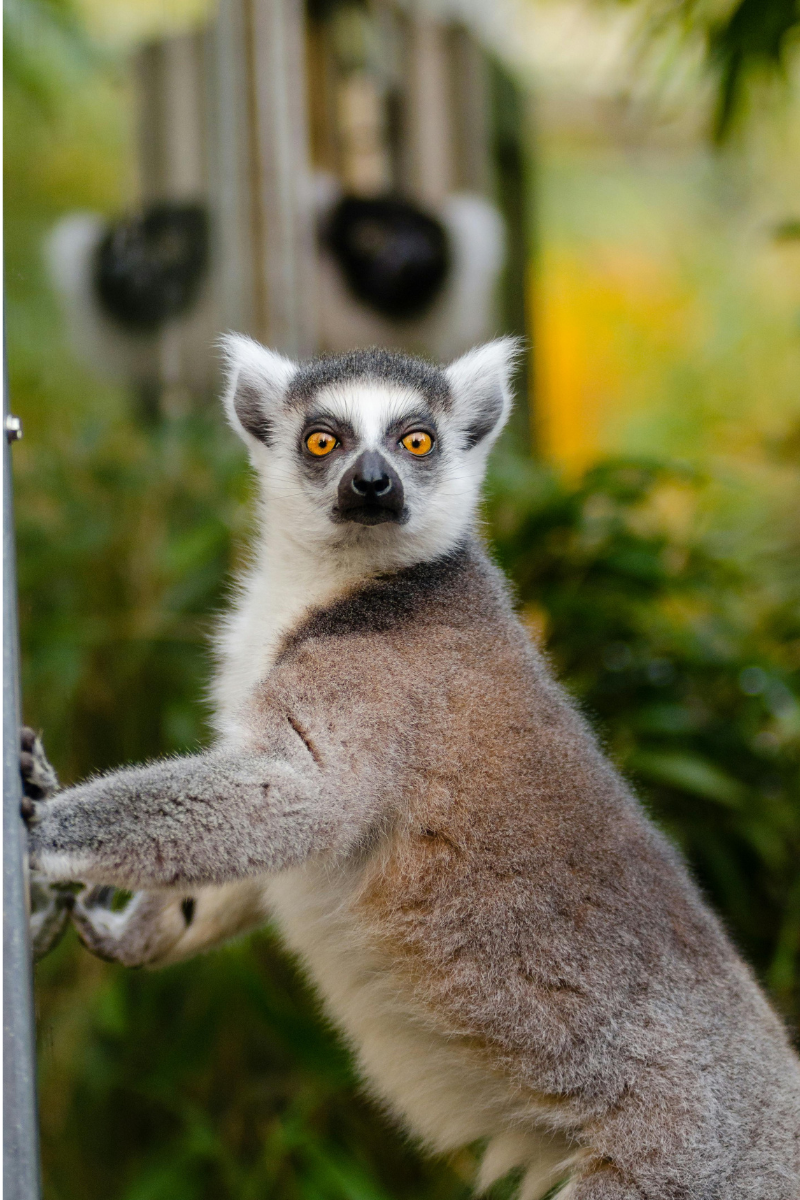
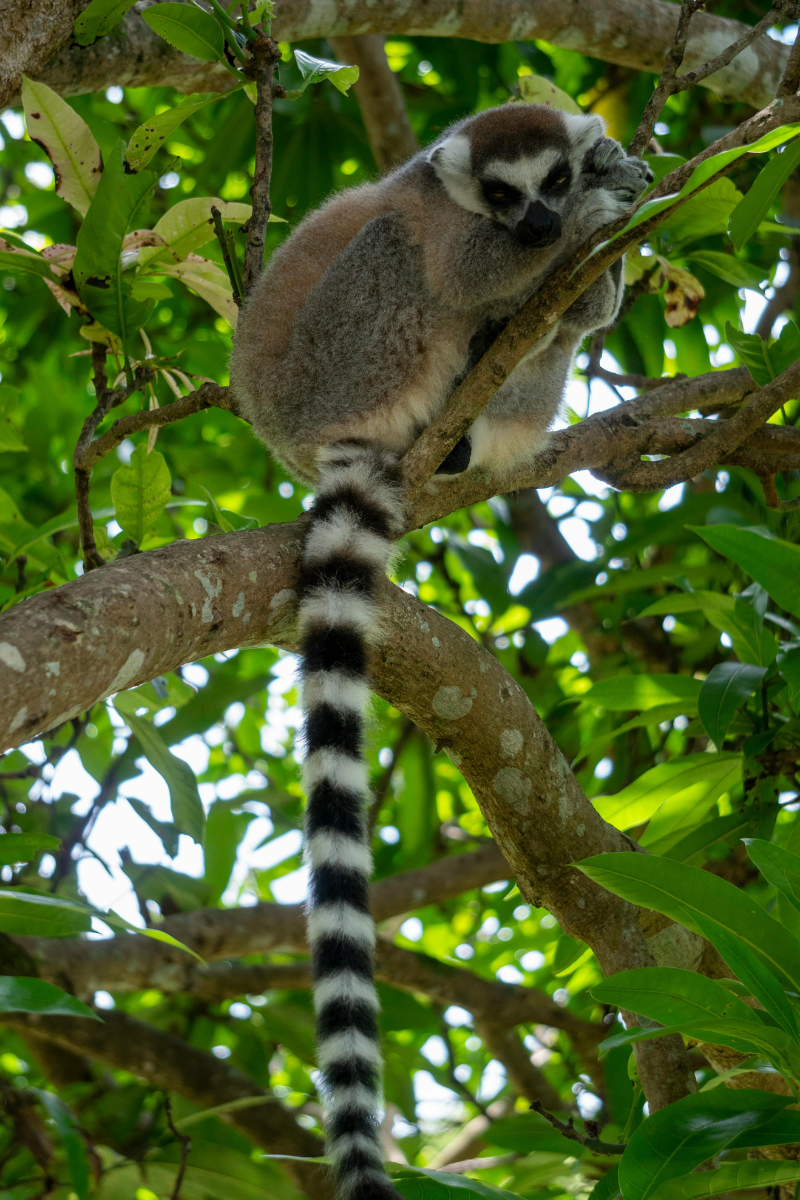
One species, at least, of lemur, the Ring-tailed variety (L. catta), does not live in the forests, but among the rocks, where it is impossible to follow them. Mr. G. A. Shaw describes their hands as having long, smooth, level, and leather-like palms, so that the animal can find a firm footing on wet slippery rocks; while the thumbs on the hinder hands are very much smaller in proportion than those of the forest lemurs, who depend upon their grasping power for their means of progression. These lemurs are, therefore, an exception to the general habits of the Lemuridæ in that they are not arboreal. Their chief winter food consists of the fruit of the prickly-pear; and they are said not to drink water. They defend themselves with great spirit if attacked.
Another species, the Broad-nosed lemur (Hapalemur simus), is said to subsist on the young shoots of the bamboo and upon grass. One of the smallest species, the Brown-mouse lemur (Chirogaleus milii), hibernates, making for itself a nest of leaves or dry grass in hollow trees for its winter sleep. It is an exceedingly pretty animal, brown in colour, but white below, with large and brilliant eyes, and legs nearly equal in length, so that it does not leap, like the majority of the lemurs.
The most diminutive of all these active little animals is the Dwarf lemur (Microcebus Smithii); this lives on the tops of the highest trees, making a nest very much like that of a bird. Its food consists of fruit and insects, and probably also honey. It is exceedingly pugnacious. For these particulars I am indebted to Mr. Shaw’s ” Notes on Four Species of Lemurs, specimens of which were brought alive to England in 1878.” (Proc. Zool. Soc., February 4, 1879.)
Madagascar may be called the head-quarters of the Lemuridae ; and of the four sub-families into which the family is divided (embracing the true lemurs, the typical animals of Professor St. George Mivart’s sub-order Lemuroidæa), two — by far the largest — belong exclusively to the island, and contain six genera and thirty-four species; but there are two other sub-families of allied forms which are found in other countries.
One of these (Nycticebidae) comprises some small short-tailed animals, called slow lemurs, found in India and China, Borneo and Java; another similar animal, the Loris, inhabits South-East India and Ceylo ; another, the Potto, is found in West Africa, at Sierra Leone; and another, the Angwantibo, is also found in West Africa, at Old Calabar.
The meaning of the extraordinary fact that animals so nearly allied to the lemur are found in such remote regions both east and west of Madagascar, we shall discuss further on in connection with the other strange anomalies in geographical distribution, which are shown both by the relations of other mammals found in the island, and also by many of the birds, reptiles, and insects. There is a fourth sub-family of Lemuridæ, the Galagos, not however so nearly allied to the true lemurs as those just mentioned, which is found all over the central portions of the African continent, from Senegal and Fernando Po to Zanzibar and Natal.
Grandidier has pointed out with regard to several genera of the lemurs, that they have embryological features which render them very distinct from the other quadrumana, the placenta being altogether different from the discoid form common to other members of the order. This fact, together with a number of other anatomical differences, induces him to think that they require to be placed in a distinct order from the rest of the quadrumanous animals. M. Grandidier also thinks that the number of species of lemur is much less than has been supposed, many specimens formerly reckoned as distinct species being only local varieties (Bull. Soc. Geog., Avril 1872, p. 373).
But there is another quadrumanous animal allied to the Lemurs, and classed as one of the three families in Professor Mivart’s sub-order Lemuroidæa, which is one of the most remarkable forms of mammalia to be found in any part of the world. This is the Aye-aye, or Cheiromys Madagascariensis. This animal is the sole representative of the family with which it is classed, and is peculiar to Madagascar. From the few specimens available for examination, it is only lately that it has been thoroughly known to naturalists. It was at first supposed to belong to the Rodentia, with which it was classed both by Cuvier and Buffon, but it is now determined to be “an exceedingly specialised form of the lemuroid type.”
Its organisation presents perhaps one of the most interesting examples of typical forms modified to serve special ends that animal structure can furnish us with. Its food consists of a wood- boring larva, which tunnels beneath the bark of certain hard-wooded trees. To obtain these, the animal is furnished with most powerful chisel-shaped teeth, with which it cuts away the outer bark. As, however, the caterpillar retreats to the end of its hole, one of the fingers of the Aye-aye’s forehands is slightly lengthened, but considerably diminished in thickness, and is furnished with a hook-like claw. Thus provided, the finger is used as a probe, inserted in the tunnel, and the dainty morsel drawn from its hiding-place.
There are also other modifications, all tending to the more perfect accomplishment of the purposes it fulfils in nature; the eyes being very large to see by night; the ears expanded widely, and of most delicate membrane, to catch the faint sound of the caterpillar at work; and the thumbs of the hinder feet, or rather hands, being largely developed to enable the animal to take a firm hold of the tree when at work. It has also been observed that this claw-like middle finger is used as. a scoop when the creature drinks; being bent so as to separate it from the other fingers, it is carried so rapidly from the water to the mouth, passing sideways through the lips, that the liquid seems to pass in a continual stream. The natives of Madagascar have a superstitious dread of the animal, believing that the person who kills the Aye-aye will certainly die withing a year. This fear, added to the nocturnal habits of the creture, has made it difficult to obtain specimens.
James Sibree, The Great African Island: Chapters on Madagascar; A Popular Accournt of Recent Researches… (London: Trübern & Co., 1880), pp. 40-44
See: https://babel.hathitrust.org/cgi/pt?id=coo1.ark:/13960/t3nw0250j&seq=1&q=
A Review of the Primates
Daniel G. Elliot
INTRODUCTION.
The Primates, which is the first of the Linnæan Orders of the Mammalia, was originally composed of four genera HOMO, SIMIA, LEMUR and VESPERTILIO, Man, Monkeys, Lemurs and Bats. The last has been dropped by general consent, and the Order as now con-stituted combines the Bimana and Quadrumana.
Some Naturalists have contended that the Lemurs should be placed in a separate Order, and my friend the late Prof. A. Milne-Edwards enumerates the following characters as justifying this view: The bell-shaped, diffused and non-deciduate placenta, vast size of the allantois, uncovered condition of the cerebellum, cranial structure, inferior incisors, and structure of the extremities, (developed pollux, and discoidal terminations of the fingers).While admitting the importance of these characters, *St. George Mivart has made some critical remarks regarding the decision of Prof. A. Milne-Edwards, and fairly well establishes the fact that the better course would be to leave the LEMUROIDEA as a Suborder of the Primates as “there can be no doubt that Man-Apes, (including Baboons and Monkeys), and Half-Apes together constitute a group capable of convenient and very distinct Zoological definition,” and he defines the group as follows: “Unguiculate, claviculate placental mammals, with orbits encircled by bone; three kinds of teeth, at least at one time of life; brain always with a posterior lobe and calcarine fissure; the inner-most digits of at least one pair of extremities opposable; hallux with a flat nail or none; a well-developed cæcum; penis pendulous; testes scrotal; always two pectoral mamma.”
The Order Primates then comprises two Suborders LEMUROIDEA and ANTHROPOIDEA. The first contains the singular nocturnal animals known as Lemurs which are distinguished from the members of the other Suborder by the following characters:
Orbit opening into the temporal fossa beneath the postorbital bar, (TARSIUS excepted). The lachrymal foramen situated outside the orbital margin. The second digit of the hand may be merely a rudiment, but the same digit of the foot has a long pointed claw. The cerebrum does not overlap the cerebellum, and the hemispheres have few convolutions. Posterior cornu of lateral ventricle very small; pollux large; posterior cornu of hyoid shorter than anterior; clitoris perforated by the urethra; uterus two-horned; placenta bell-shaped, diffused, non-deciduate; allantois very large; transverse portion of colon convoluted on itself. Abdominal mammæ sometimes present.
The LEMUROIDEA contains three Families, the first two aberrant; DAUBENTONIIDE with its single species the curious Aye-Aye, and TARSIIDÆ, for a long time supposed to have also a single species, but several additional ones have been lately recognized. The third Family is NYCTICIBIDÆ with four Subfamilies, LORISINÆ, the Slow Lemurs with four genera: LORIS with two species; NYCTICEBUS with eleven species; ARCTOCEBUS with two species; and PERODICTICUS with five species. The last genus, PERODICTICUS, for over two hundred years was represented by only one species, Bosman’s Potto, discovered by that traveller in 1705; but within a brief period no less than four others have been described, showing how easy it is to overlook distinct forms among these nocturnal animals, even though their habitats had been often penetrated by zealous naturalists eager to make known the creatures that had heretofore escaped all research.
In this same Sub-family is the genus ARCTOCEBUS with its single species from Old Calabar, remarkable for its strongly flexed fingers, which require considerable force to extend them, and when this is taken away they at once become flexed again. The second Subfamily is GALAGINÆ, the Bush Babys, with one genus and twenty-three species and six sub-species, followed by LEMURINÆ, the true Lemurs, with seven genera and thirty-eight species. The last Subfamily is INDRISINÆ with three genera including the Woolly Lemur, Safakas, and Indris, having in all five species and five subspecies.
While Madagascar alone possesses the Aye-Aye and the species of the Subfamilies LEMURINÆ and INDRISINÆ, none of those contained in GALAGINÆ are found on that island but belong to the near-by African Continent. The Tarsier are natives of the islands of the Indo-Malayan Archipelago and the Philippines, while the Slow Lemurs (LORISINÆ) are met with in the southern part of the Indian Peninsula and the Island of Ceylon.
Daniel G. Elliot, A Review of the Primates (New York: American Museum of Natural History, 1912), pp. Xi-xii. One footnote was deleted.
See: https://babel.hathitrust.org/cgi/pt?id=mdp.39015017485197&seq=1
The Geography of Mammals
Sclater
Finally, among the Lemurs we reach the culminating point of the Fauna of this strange land. No less than eleven genera of this Sub-order are entirely confined to the Sub-region, while outside of it there are only five genera now in existence, two of them belonging to Africa proper, and three to the Oriental Region.
The lemurs are none of them very large; they are all arboreal animals, spending their lives retired in the forest, and, as a rule, strictly nocturnal. Though allied to the monkeys, they have none of their vivacity and intelligence; they move but slowly, and have usually very large eyes, which are no doubt necessitated by their nocturnal habits. The lemurs inhabiting Madagascar are divided into two families: (a) the Lemuridæ, with ten genera and about hirty-five species, to which family, also, the African and two of the Oriental genera are generally assigned; and (b) Chiromydæ.The Indrises (Indrisinæ) form a distinct sub-family of Lemuridæ with three genera, all restricted to Madagascar…. The typical Lemurs (Lemuridæ) are also only found in this island….The second family of the Lemurine Order (Chiromyidæ) contains only a single genus and species, the extremely anomalous Aye-aye, discovered by the traveller Sonnerat in 1780…. There are generally examples of this curious animal in the Zoological Society’s gardens in London, but, unless especially aroused, they are seldom seen by daylight. Their chief peculiarity is the long, thin, ghost-like middle finger, with which they have been supposed to extract wood-boring insects from their burrows, although their chief food in captivity certainly consists of succulent juices.
William L. Sclater and Philip L. Sclater, The Geography of Animals (London: K. Paul Trench, Trübner & Co., 1899), pp. 104-108.
See: https://babel.hathitrust.org/cgi/pt?id=hvd.32044107349755&seq=1&q1=
INTRODUCTION.
May I announce to you that Madagascar is the
naturalists’ promised land? Nature seems to have
retreated there into a private sanctuary, where
she could work on different models from any she
has used elsewhere. There, you meet bizarre and
marvellous forms at every step…. What an
admirable country, this Madagascar.
(J.-P. Commerson, 1771)
Lemurs evolved in Madagascar and are found nowhere else in the world, except on the Comoros, where there are two species that were probably introduced to the islands by man sometime within the past several hundred years. Man has lived on Madagascar for less than two thousand years and yet, in that comparatively short time, six genera and at least fourteen species of lemur have disappeared from the country and, therefore, from the world. Madagascar does, indeed, demonstrate very clearly that primate extinctions are a very real phenomenon.
While collecting information for this book, we have received pessimistic reports that all the forest within the country will be gone within 30 years, 25 years, or as little as ten years. To counter this is the great and increasing interest in the conservation of Madagascar’s wildlife from individuals and institutions from both outside and inside the country. Without this interest it is likely that most of Madagascar’s primates, perhaps all except the tiny mouse lemurs and the ubiquitous brown lemur, will disappear within the relatively near future. However, changes are occurring, international organisations are providing money and people to aid conservation, education and development in the country and the Malagasy Government is very keen to stop the destruction of its unique heritage and to secure the essential natural resources for the benefit of its people.Madagascar, approximately 1600 km long and 580 km wide at its broadest point, with a surface area of around 587,000 sq. km, is the world’s fourth largest island, surpassed only by Greenland, New Guinea and Borneo. It lies in the Indian Ocean, separated from the east coast of Africa by at least 300 km of the Mozambique Channel. The island falls almost entirely within the tropical zone, extending from latitude 11° 57’S to 25° 35’S, and it is between 43° 14’E and 50° 27’E longitude. It has a diverse geology, climate and vegetation and, because of this and its large size, it is often regarded as a microcontinent. Certainly, most of its flora and fauna is unique to the area and, botanically, it is one of the richest areas in the world. The origins of Madgascar are still disputed. It may have broken away from Africa as long as 200 million years ago, but mammals could have drifted across the channel up until 40 million years ago. After that time, the increased width of the Mozambique Channel apparently made this impossible. Not until man arrived, perhaps 2000 years ago, were more mammalian species introduced to the island.
The vegetation of Madagascar is both extremely rich and unique. Estimates of the numbers of species of plant vary between about 7000 to 12,000, approximately 80% of these are endemic. The country has been divided into two major floral zones (Humbert, 1959; Perrier de la Bathie, 1936; White, 1983), a moister Eastern Region and a dry Western area, and within these are a wide range of habitats…. The Eastern Region covers just under half the island, extending westwards from the east coast to cover the central highlands and includes a small enclave, the Sambirano Domain, on the north-west coast. This unit was probably originally all forested, but much of the forest has now been replaced by a mosaic of cultivation and secondary formations. The Western Region extends from the flat plains on the west coast eastwards up to about 800m. Within this area are the dry decidous forests, less dense with a lower, more open canopy than in most of the moister eastern forests. Lusher forests grow in riparian habitat along rivers. Included within the Western Region biogeographical zone is the semi-arid Southern Domain. This is characterised by thickets or forests of endemic, bushy, xerophytic vegetation, with Euphorbiaceae and Didiereaceae predominating.
Apart from the lemurs, Madagascar’s mammalian fauna is relatively impoverished. Indeed, it has fewer mammal species (109) than any other comparably sized African country. The native living land mammals belong to only five orders: Primates, Camivora, Rodentia, Insectivora and Chiroptera. There are eight species of native carnivore, all unique to the island and all belonging to the Viverridae; ten species of rodent, again all found only in Madagascar; 32 species in the order Insectivora, which are mostly endemic tenrecs; and there are 28 bat species, though only nine of these are unique to the island. There used to be a pygmy hippopotamus in the country but this became extinct sometime after man’s arrival on the island. Similarly, the number of bird species found on Madagascar is low. There are a total of 250 species of which about half are endemic. The huge, flightless elephant bird, Aepyornis maximus, used to occur on the island but this too has vanished in the last few hundred years.
In contrast to the birds and mammals, the reptile and amphibian fauna is rich compared to that in other African countries. There are around 260 reptile species which include one crocodile, 13 tortoises, 60 snakes and about 180 lizards. Madagascar contains two thirds of the world’s chameleon species from the tiniest, the size of a thumb nail, to the largest at 60 cms. Though there are around 150 amphibian species on the island (all but two of which are endemic), they are all frogs; no toads or newts are found there. Madagascar is, without doubt, the world’s highest major primate conservation priority, with astounding levels of primate diversity and endemism and more endangered and vulnerable primates than any other country. Madagascar is fourth on the world list of primate species (in spite of being only one seventh the size of Brazil, the world leader, and roughly one quarter the size of Indonesia or Zaire, second and third on the world list) and its level of endemism, 28 of 30 species, or 93.3%, is by far the highest in the world (Mittermeier, in Utt and see Mittermeier and Gates, 1985). At the generic and familial levels, Madagascar’s diversity is even more striking, with five primate families, four of which are endemic and 13 genera of which 12 are found nowhere else. Compare this to Brazil, which has only two families, neither of them endemic, while only two of 16 primate genera within the country are endemic.
Of the 30 lemur species currently recognised for Madagascar, 10 are considered endangered in this book and another 15 are believed to be in some trouble, again a figure unmatched by any other country. The fourteen species of lemur that have vanished from Madagascar since the arrival of humans were all bigger than the present day species. Indeed, the largest (Megaladapis edwardsi) may have weighed two hundred kilogrammes, similar in size to a male orangutan (Jolly et al, 1984). These species vanished before they could be studied at all, but even now very few of the existing primate species have been studied in any detail, their ability to tolerate the man-made disturbances of their habitat is generally unknown, even accurate distributions are not known. Almost invariably, there are also no estimates of population numbers. On this basis, an assessment of the conservation status of each species is very difficult. It is, however, sure that all the primates in Madagascar, except Homo sapiens, are declining each year.
The human population of Madagascar is estimated to be presently increasing at a rate of 2.9%; it has more than doubled in thirty years, from 5.4 million in 1960 to 11.2 million in 1989, and it is calculated that there will be 28.1 million people in the country by 2025 (World Resources Institute, 1988). The population is still mostly rural and the people depend on agriculture for their livelihood. To obtain more land the forests are destroyed by slash and bum (or tavy) cultivation. Areas are clear cut, the vegetation is dried and then fired some months later. Dry land rice is most conmonly planted, but maize, manioc and other crops are also cultivated. These are grown for a year or two, then the land is left fallow and the process repeated elsewhere. Degraded vegetation types grow on the abandoned land and these are then cleared after an interval of ten years or so. Progressive deterioration of the soil structure and nutrient content finally leads to the area becoming grassland or being eroded to bare soil. This clearing of land for cultivation is the major threat to the rain forest in the east of Madagascar.
In the west, the principal agent of forest destruction is fire, much of it deliberately started to encourage new grass growth for the large herds of livestock raised in the area. The fires are usually set in the dry season when the forests are at their most vulnerable. Overgrazing frequently prevents any forest regeneration, instead bush or grasses colonise the cleared areas. Fires are also a hazard in the dry forests of the south, but the collection of wood for conversion to charcoal is generally considered to be the major threat in this area (Sussman et al, 1985). Clearing forests for agricultural land also occurs in the west and south, as does cutting down trees for fuel and building materials in all areas.
Some timber is removed by logging companies, but this is not a major threat in Madagascar, especially as now much of the remaining forest is in steep, isolated areas inaccessible to heavy machinery. It is not clear how much of Madagascar was originally covered in forest. Even now there are no accurate figures for the extent of surviving tree cover, though it is usually said that approximately 20% of the island is covered with forest. This is the figure estimated by Guichon in 1960, based chiefly on aerial surveys made in the late 1940s. Estimates in the 1980s record 10.3 million hectares of closed forest and 2.9 million hectares of open forest remaining (World Resources Institute, 1988), but these figures do not appear to be based on any new data. It is estimated that 1.2% of the closed forest is cut down every year (World Resources Institute, 1988), but, again, there are apparently no recent data to base this on. There are no up to date vegetation maps available for the whole country, but Green and Sussman (in press) have just produced a map of the eastern rain forest based on satellite images…. They estimate that the rate of deforestation between 1950 and 1985 was 111,000 ha per annum and that, in 1985, only 3.8 million hectares of eastern rain forest remained. They consider that, if cutting continues at the same pace, only forests on the steepest slopes will survive the next 35 years.
Destruction of their habitat is almost certainly the main threat to the lemurs. Hunting does occur in some areas, mostly using traditional means such as nest raiding, snaring and stone throwing, though guns are now also used and may become a real threat. In several regions it is taboo to kill lemurs but, as human populations become more mobile, the lemurs in these areas are likely to be killed by people withiout the traditions of protecting the animals. The largest of the lemurs have already gone, quite possibly driven to extinction by hunting as well as habitat destruction, and now it is the largest of the surviving lemurs that could become menaced by hunting. The Black and White Ruffed Lemur (yarecia variegata) is probably the most at risk in this way. The one species which may be immediately threatened by hunting is the Aye-Aye (Daubentonia madagascariensis) as, to some local people, this animal brings bad luck and it is likely to be killed whenever it is seen. It does not, however, appear to be actively sought out and slaughtered. The smaller, nocuunal species are the least likely to be directly hunted but even they can be caught in snares.
Trade in lemurs is not considered to be a threat to any of the species (Kavanagh et al, 1987). All are listed on Appendix 1 of CITES and in Class A of the African Convention, which precludes trade in them or their products except for scientific purposes. In addition, bothMadagascar and the Comoros have strict regulations controlling the export of lemurs.
Legal protection of nature in Madagascar began as long ago as 1881 when, under the ancient Hova Kingdom, those cutting down forests were condemned to be chained in irons! Madagascar has one of the oldest protected area networks in the African region, with ten Reserves Naturelles Integrales dating back to 1927. There are now 11 Nature Reserves, two National Parks and 23 Special Reserves in the country…. This system of protected areas is quite comprehensive and covers a good cross-section of key ecosystems. Unfortunately, however, much of this network exists only on paper. The Reserves are essential for conservation of the country’s rich biological diversity, and this was recognised by the Malagasy Government during its 1985 Conference on the Conservation of Madagascar’s Natural Resources for Development (Rakotovao et al, 1988).
In 1986, a project to survey the protected areas was set up through WWF’s programme in Madagascar in collaboration with a number of Government Ministries. The aims of this project are to evaluate the existing protected areas, to develop and implement management plans for priority protected areas, to recommend the establishment of new protected areas in key regions and to train Malagasy counterparts in protected area management and conservation biology. Recommendations for conservation and management have already been made for many of the protected areas (Nicoll and Langrand, 1989).
A number of proposals for the conservation of biological diversity in Madagascar have been put forward by R. Mittermeier (1986) in a preliminary Action Plan for the country. In addition to the survey of existing and potential protected areas, the following are suggested: the establishment of a conservation data centre and a biological inventory programme for Madagascar, possibly to be set up in Pare Tsimbazaza in Madagascar’s capital, Antananarivo, and to be run with the University of Madagascar; a programme to increase public awareness and conservation education within the country; the training of Malagasy conservation professionals; the development of international wildlife tourism for Madagascar; the strengthening of the zoological park and botanical garden at Pare Tsimbazaza; surveys of the most endangered lemur species and the development of captive breeding progranmies for key endangered species.
As has been stated many times, the survival of Madagascar’s unique biota, including its primates, and ultimately the well-being of its people, depends on the continued presence of forests in the country. Given the poltical will in Madagascar, the expertise both within and outside the country and financial aid from richer countries and institutions, there is no reason why this should not be assured. It will, however, require great effort particularly in ensuring that the country’s conservation needs are fully integrated with its overall development objectives.
THE LEMURS OF MADAGASCAR AND THEIR DEGREE OF THREAT
Family CHEIROGALEIDAE
| Microcebus murinus | Grey Mouse Lemur | Abundant |
| Microcebus rufiis | Brown Muse Lemur | Abundant |
| Mirza coquereli | Coquerl’s Dwarf Lemur | V |
| Cheirogaleus medius | Fat-tailed Dwarf Lemur | Abundant |
| Cheirogaleus major | Greater Dwarf Lemur | Abundant |
| Allocebus trichotis | Hairy-eared Dwarf Lemur | E |
| Phanerjurcifer | Fork-marked Dwarf Lemure | R |
Family MEGALADAPIDAE
| Lepilemur dorsalis | Grey-backed Sportive Lemur | V |
| Lepilemur edwardsi | Milne-Edward’s Sportive Lemur | R |
| Lepilemur leucopus | White-footed Sportive Lemur | R |
| Lepilemur microdon | Microdon Sportive Lemur | R |
| Lepilemur mustelinus | Weasel Sportive Lemur | R |
| Lepilemur ruficaudatus | Red-tailed Sportive Lemur | R |
| Lepilemur septentrionalis | Northern Sportive Lemur | V |
Family LEMURIDAE
| Lemur catta | Ring-tailed Lemur | V |
| Lemur coronatus | Crowned Lemur | E |
| Lemur macaco | Black Lemur | |
| m. macaco | Black Lemur | V |
| m. flavifrons | Sclater’s Lemur | E |
| Lemur mongoz | Mongoose Lemur | E |
| Lemur rubriventer | Red-bellied Lemur | V |
| Lemur fulvus | Brown Lemur | |
| f. albifrons | White-fronted Lemur | R |
| f. albocollaris | White-collared Lemur | V |
| f. collaris | Collared Lemur | V |
| f. fulvus | Brown Lemur | R |
| f. mayottensis | Mayotte Lemur | V |
| f. rufus | Red-fronted Lemur | R |
| f. sanfordi | Sanford’s Lemur | V |
| Varecia variegata | Ruffled Lemur | |
| v. variegata | Black and White Ruffed Lemur | E |
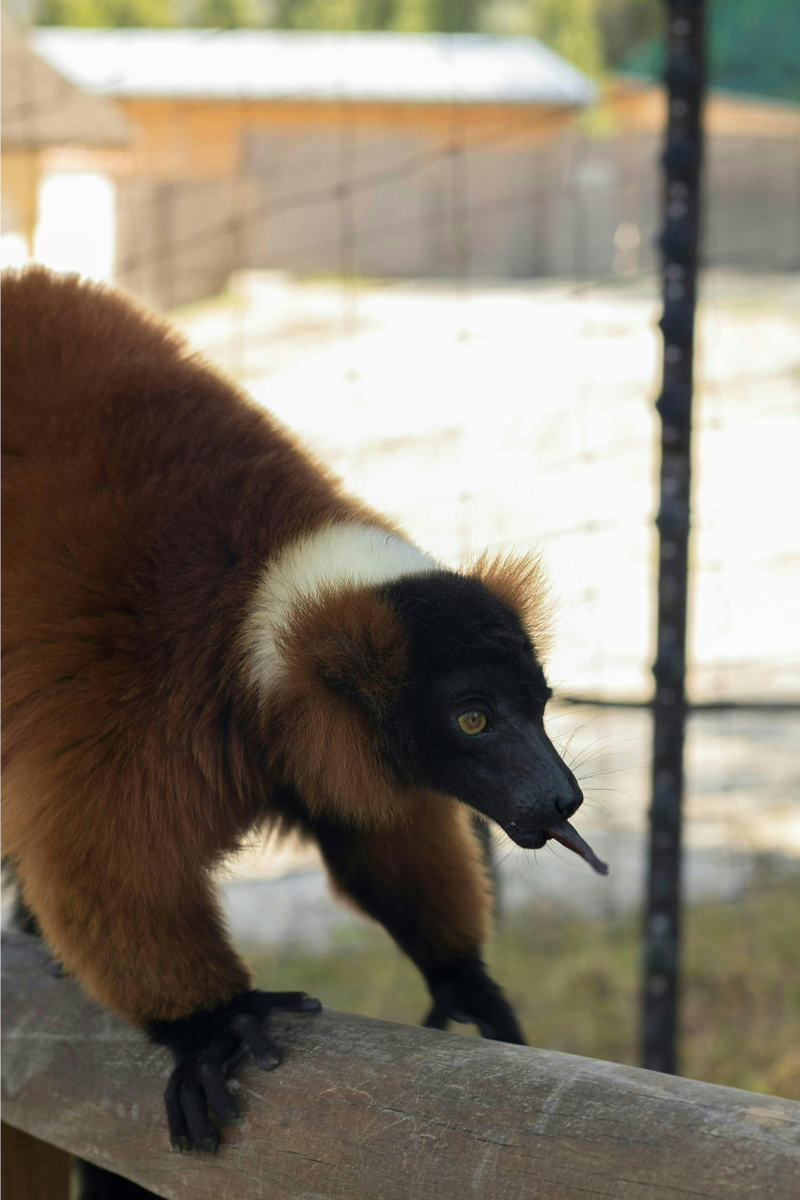
| v. rubra | Red Ruffed Lemur | E |
| Hapalemur griseus | Grey Gentle Lemur | |
| g. griseus | Grey Gentle Lemur | K |
| g. alaotrensis | Alaotran Gentle Lemure | E |
| g. occidentalis | Western Gentle Lemur | V |
| Hapalemur aureus | Golden Bamboo Lemur | E |
| Hapalemur simus | Greater Bamboo Gentle Lemur | E |
Family INDRIDAE
| Avahi laniger | Wooly Lemur | |
| l. laniger | Eastern Wooly Lemur | V |
| l. occidentalis | Western Wooly Lemur | V |
| Indri indri | Indri | |
| Propithecus diadema | Diademed Sifaka | |
| d. diadema | Diademed Sifaka | E |
| d. candidus | Silky Sifaka | E |
| d. edwardsi | Milne-Edwards’ Sifaka | E |
| d. perrieri | Perrier’s Sifaka | E |
| Propithecus tattersalli | Golden-crowned Sifaka | E |
| Propithecus verreauxi | Verreaux’s Sifaka | V |
| v. verreauxi | Verreaux’s Sifaka | V |
| v. coquereli | Coquerel’s Sifaka | V |
| v. deckeni | Decken’s Sifaka | V |
| Propithecus tattersalli | Golden-crowned Sifaka | E |
| Propithecus verreauxi | Verreaux’s Sifaka | |
| v. verreauxi | Verreaux’s Sifaka | V |
| v. coquereli | Coquerel’s Sifaka | V |
| v. deckeni | Decken’s Sifaka | V |
Family DAUBENTONIIDAE
| Daubentonia madagascariensis | Aye-aye | E |
PROTECTED AREAS OF MADAGASCAR
Six categories of protected areas are recognised in Madagascar:
1) Strict Nature Reserves (Reserves Naturelles Intégrales)
2) National Parks (Parcs Nationaux)
3) Special Reserves (Reserves Speciales)
4) Classified Forests (Forêts Classics)
5) Reafforestation zones (Périmètres de Raboisement et de Restauration)
6) Biosphere Reserves (Réserves de la Biosphere)
The Strict Nature Reserves were created by Decree 66-242 of 1st June 1966 though the network of reserves was originally set up in 1927. Access is forbidden to everybody except officials of the Water and Forest Department and researchers who have obtained permission from the relevant Government Ministries (Ministère de la Production Animal [Elevage et Pêche] and des Eaux et Forêts). Each reserve is supervised by a headman (Chef de Réserve) and several assistants. There are 11 Nature Reserves, a twelfth (R.N.I. 2) on the Masoala Peninsula was degazetted in 1964 by Decree 64-381 and is now only a Classified Forest. The size of the Nature Reserves varies from the 740 ha of Lokobe on the small island of Nosy B6 to 152,00 ha of Bemaraha in the west. In total, approximately 569,500 hectares are protected as Strict Nature Reserves.Decrees 58-07 of 28/10/58 and 62-371 of 19/7/62 contain the legislation for the National Parks in Madagascar. The public may visit these areas but access is controlled. Villagers may be accorded the right of passage through the forest and to use certain forest products but there are constraints on these rights, which have to be respected. There are two National Parks at present and a third, at Ranomafana, is in the process of being gazetted. The two existing parks total around 99,700 hectares.
The Special Reserves have been created by a number of different decrees, in general they are set up to protect one particular species of plant or animal. In theory, permission is needed to enter the Special Reserves but, in fact, traditional rights of use are allowed. Grazing of livestock, collection of plants or the introduction of animals or plants into the area is forbidden. Fishing is also forbidden, except in two of the reserves. There are 23 Special Reserves but only some of them are guarded by officials of the Water and Forest department. It is this Department which is responsible for the administration of the reserves. The smallest of the Special Reserves is the island of Nosy Mangabe at 520 ha, while only one (Ambatovaky) is over 50,000 hectares. Total area protected as Special Reserves is approximately 365,500 hectares.
Classified Forests are created by individual ministerial decrees, but local authorities are also involved. They are forest reserves but their function is, essentially, economic. Exploitation is forbidden, except for certain traditional forest products. In several Classified Forests concessions have been granted to allow charcoal making and collection of timber. Protection of the areas is not necessarily permanent. In 1989 there were 158 Classified Forests, with a total area of around 2,671,000 hectares.
The creation of Reafforestation Zones is not necessarily directly concerned with the maintenance of biological diversity. They are established to protect water basins and to protect against erosion. There is, however, a plan to create a Reafforestation Zone to protect particular species of pahn in the north-east. 77 Reafforestation Zones exist, covering an area of approximately 824,000 hectares.
The first Biosphere Reserve in Madagascar was being established in 1989. It is in the northeast in the area of Mananara and will contain a strict conservation zone, with the status of a National Park, surrounded by a buffer zone. A World Heritage Site is also planned for the west, in the region of Antsalova.
The administration of the protected areas is the responsibility of the Service de la Protection de la Nature de la Direction des Eaux et Forets, Ministere de la Production Animale (Elevage et Peche) et des Eaux et Forêts. The Department of Water and Forests (Direction des Eaux et Forêts) is also responsible for all the forests.
In addition to the official reserves, there are two private reserves in Madagascar owned by M. Jean de Heaulme. The smaller of these, Berenty near Taolanaro (Fort Dauphin), is a comparatively well known tourist attraction.
Details of all the Nature Reserves, the two National Parks, over half the Special Reserves, both Private Reserves and some other areas of biological importance, which it is hoped may become protected areas, can be found in an lUCNAJNEPAVWF pubjication (1987) and also in WWF Project 3746 “Amenagement des Aires Protegees” by Martin Nicoll and Olivier Langrand.
The following list of which lemurs are present in each protected area is taken mostly from these two publications.,
THE lUCN/SSC PRIMATE SPECIALIST GROUP
The lUCN/SSC Primate Specialist Group (PSG) has been in existence since the late 1960s and has been under the leadership of its present Chairman, Dr Russell A. Mittermeier, since 1977. The group is one of numerous specialist groups of the Species Survival Commission of lUCN and its membership has grown to nearly 200 primate scientists and conservationists from 45 different countries. The PSG is organised into six main subdivisions, corresponding to the four regions where primates occur, together with a captive breeding division and a special division for miscellaneous activities (i.e. conservation education, satellite imagery analysis, veterinary medicine, wildlife trade).
The goal of the PSG is to maintain die current diversity of the order Primates, with dual emphasis placed on:
- ensuring the survival of threatened species wherever they occur,
- providing effective protection for large numbers of primates in areas of high primat”.diversity and/or abundance.
Activities underway in many parts of the world make it inevitable that a certain portion of the world’s forests and the primate species which reside in them will disappear. The role of the PSG is to minimize this loss whenever possible by:
- setting aside special protected areas for threatened species;
- creating large national parks and reserves in areas of high primate diversity and/or abundance;
- maintaining parks and reserves that already exist and enforcing protective legislation in them;
- creating public awareness of the need for primate conservation and the importance of primates as a natural heritage in the countries where they occur.
The PSG places particular emphasis on conservation of habitat and furtherance of conservation education as both these measures are considered essential and in large part inseparable. Regardless of how broadly one wishes to define conservation, long-term survival of natural populations will not be possible if habitats are not preserved and if local people in the areas where primates occur do not fully support conservation efforts. Additional measures taken by the PSG include:
- determining ways in which man and his fellow primates can coexist in multiple use areas;
- establishing conservation orientated captive breeding programmes for “Endangered species”;
- ending all illegal and otherwise destructive traffic in primates;
- ensuring that research institutions using primates are aware of the conservation problems and that they are using primates as prudently as possible, without threatening the survival of any wild populations.
Among the many functions of the PSG are production of the newsletter/journal Primate
Conservation (formerly the lUCN/SSC Primate Specialist Group Newsletter), edited by Isabel Constable, which is a major means of communication among the world’s primate conservationists and is distributed free of charge to PSG members. The PSG is also responsible for the production of Action Plans for Primate Conservation, which update the original Global Strategy for Primate Conservation, produced in 1977. These Action Plans are intended to determine priorities in global primate conservation, to estimate the costs of conserving the world’s primate fauna and to serve as tools in the fundraising efforts to make these projects possible. The first two regional Action Plans, the Action Plan for African Primate Conservation 1986-1990 by John Oates and the Action Plan for Asian Primate Conservation 1987-1991 by Ardith Eudey, have already been published. Action Plans for Madagascar and the Neotropical region are in preparation.
For further information on the lUCN/SSC Primate Specialist Group, please contact:
Dr. Russell A. Mittermeier
Conservation International
1015 Eighteenth Street, N.W.
Washington D.C. 20036
U.S.A.
Tel (202) 429-5660, Fax (202) 887-5188.
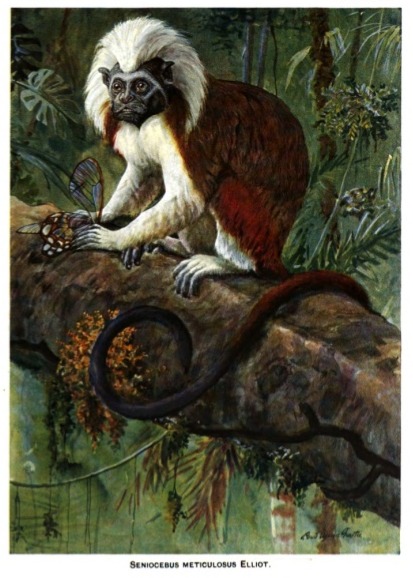
Caroline Harcourt, Lemurs of Madagascar and the Comoros: The IUCN Red Data Book (Cambridge: World Conservation Monitoring Center, 1990), pp. 7-12, 15-16, 19-20, and 27-28. References and maps have been deleted. The lead image can be found as the frontispiece in the above-cited book Daniel G. Elliot, A Review of the Primates. The images in the top row of the lower section can be found in: https://www.pexels.com/. The photographers are: Flickr, Goszton, Jakeheine Mann, and Lukasz Szabo. For the bottom row the images can be found in: https://pixabay.com/ except for the last picture which is found in Pexels. The photographers are Ambiquinn, Mark Thomas, Theo Therkev, and Jesus Esteban San Jose.
See: https://portals.iucn.org/library/node/5885